Sunday School Lessons

Why I Believe the King James Bible (Part 3) Comparisons

I hope you’ve taken the time to read part one of this three-part series. In it, we saw that the Bible declares itself, leaving (in my mind) no argument, issue, or need for any updated or modern version. However, there are those who do not wish to take God’s Word at face value. In the second article I lightly trace the path of the manuscripts from which the King James Bible and the modern versions are derived. It reveals that there are not dozens—or even hundreds—of Bibles out there, but two: the King James Bible (the King’s Path) and all the modern versions (the Scholars’ Path).

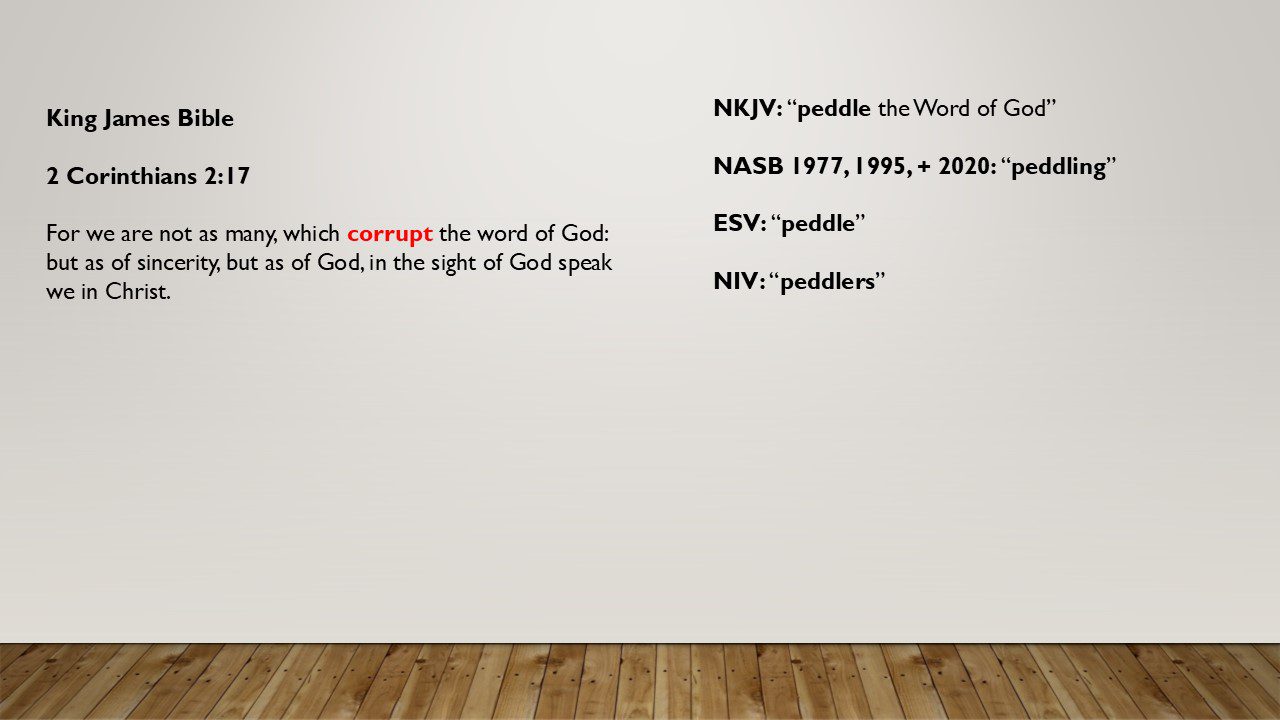
Even so, if you’re reading this article, you may still not be convinced, as I am, that the King James Bible is the only Bible for English-speaking people. In the information that follows, you will see that the claim that modern versions are “easier to read” or “simply remove the thee’s and thou’s” does not hold true. The changes and departures these versions introduce stand in direct contradiction to the King James Bible (the Received Text or Majority Text).

I should also note that across all three articles, I have only scratched the surface of these perspectives. In the first article, I did not list the hundreds of verses in which God declares His truth and His purpose for the purity of His Word to His people. In the second article, I provided only a small sample of the vast historical and manuscript evidence identifying these two major translation lines. Finally, in the information below, we’ll touch on only a fraction of the thousands of changes found in the modern versions.

1
previous arrow
next arrow

List of Verses Omitted from most Modern Versions:

Matthew 17:21: “Howbeit this kind goeth not out but by prayer and fasting.”
Matthew 18:11: “For the Son of man is come to save that which was lost.”
Matthew 23:14: “Woe unto you, scribes and Pharisees, hypocrites! for ye devour widows’ houses, and for a pretence make long prayer: therefore ye shall receive the greater damnation.”
Mark 7:16: “If any man have ears to hear, let him hear.”
Mark 9:44: “Where their worm dieth not, and the fire is not quenched.”
Mark 9:46: “Where their worm dieth not, and the fire is not quenched.”
Mark 11:26: “But if ye do not forgive, neither will your Father which is in heaven forgive your trespasses.”
Mark 15:28: “And the scripture was fulfilled, which saith, And he was numbered with the transgressors.”
Luke 17:36: “Two men shall be in the field; the one shall be taken, and the other left.”
John 5:4: “For an angel went down at a certain season into the pool, and troubled the water: whosoever then first after the troubling of the water stepped in was made whole of whatsoever disease he had.”
Acts 8:37: “And Philip said, If thou believest with all thine heart, thou mayest. And he answered and said, I believe that Jesus Christ is the Son of God.”
Acts 15:34: “Notwithstanding it pleased Silas to abide there still.”
Acts 24:7: “But the chief captain Lysias came upon us, and with great violence took him away out of our hands,”
Acts 28:29: “And when he had said these words, the Jews departed, and had great reasoning among themselves.”
Romans 16:24: “The grace of our Lord Jesus Christ be with you all. Amen.”
1 John 5:7: “For there are three that bear record in heaven, the Father, the Word, and the Holy Ghost: and these three are one.”

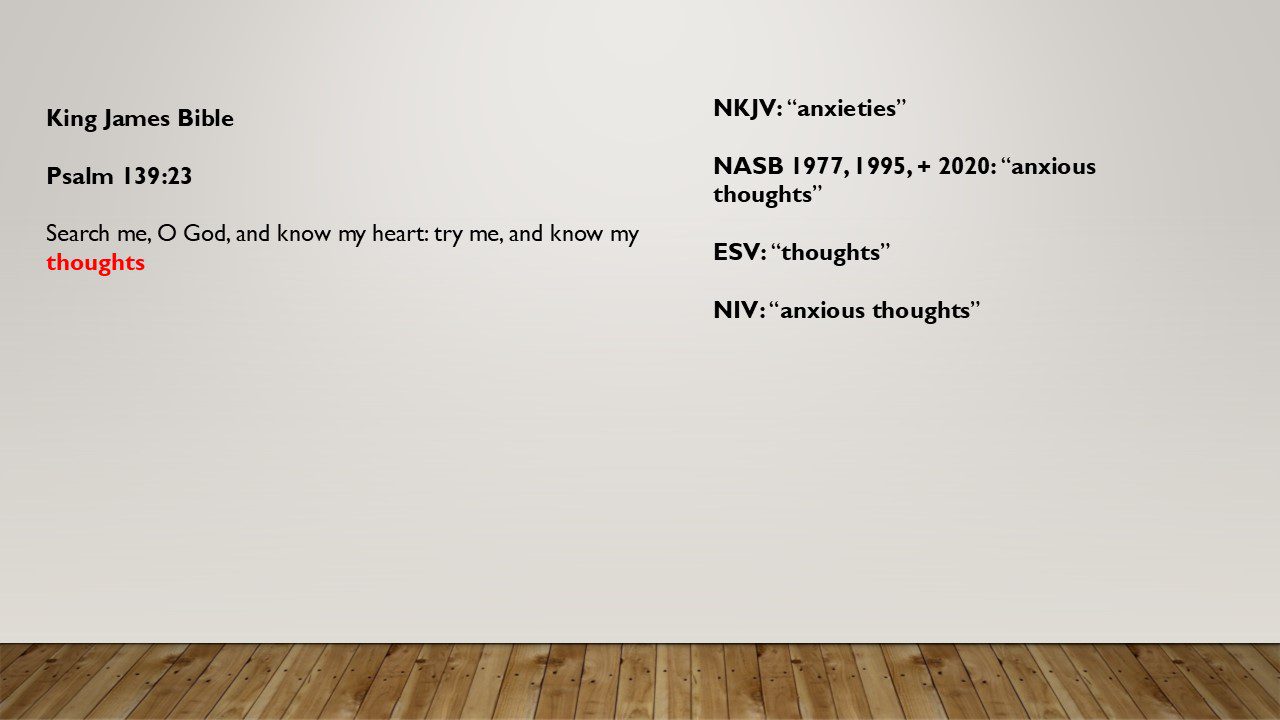
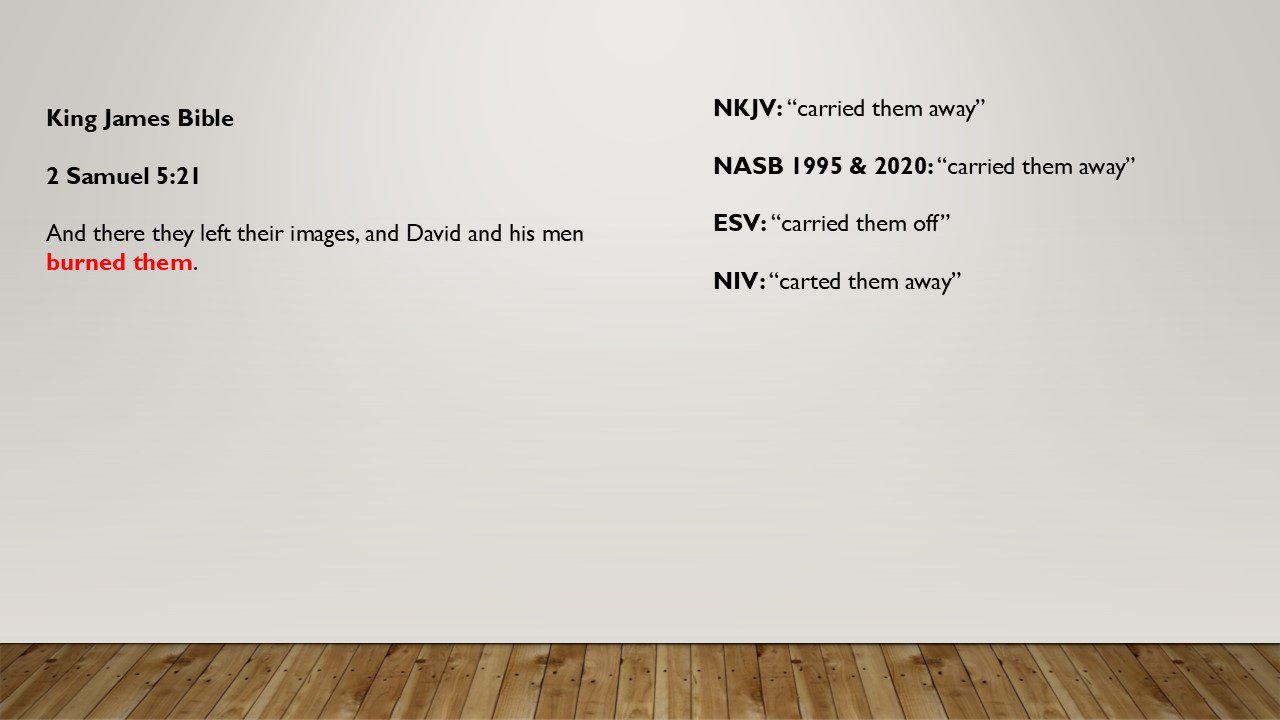
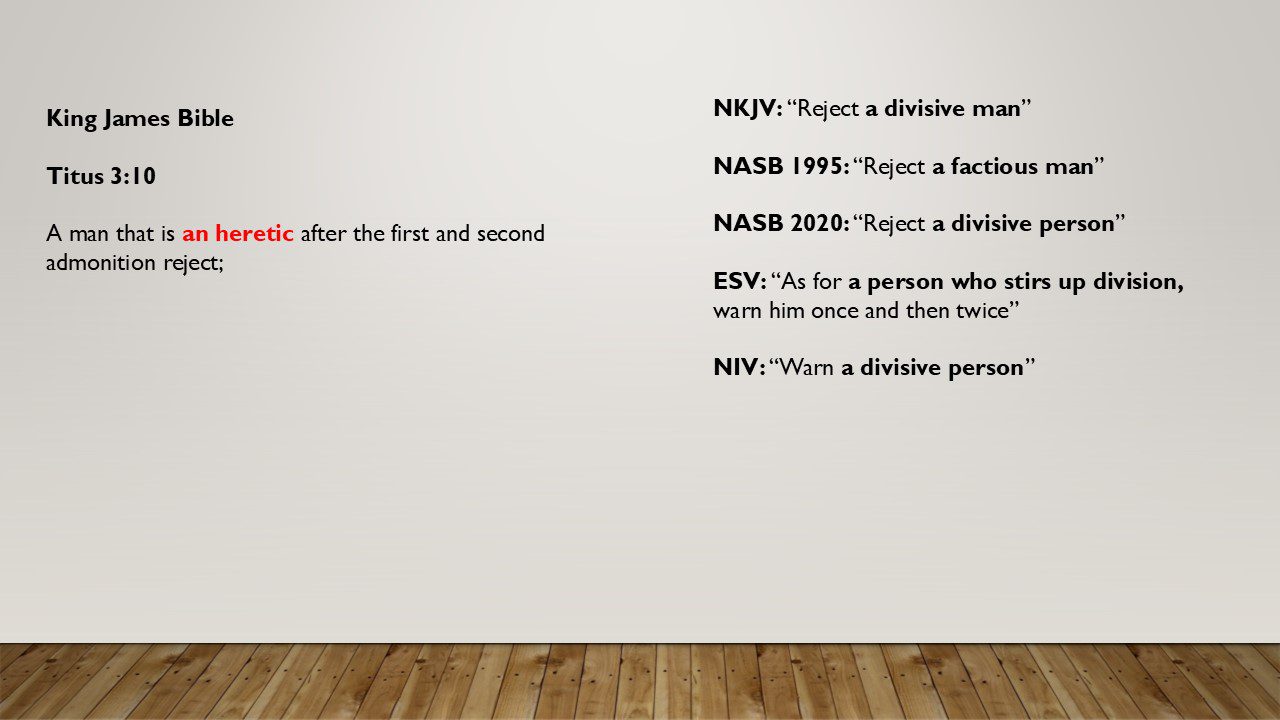
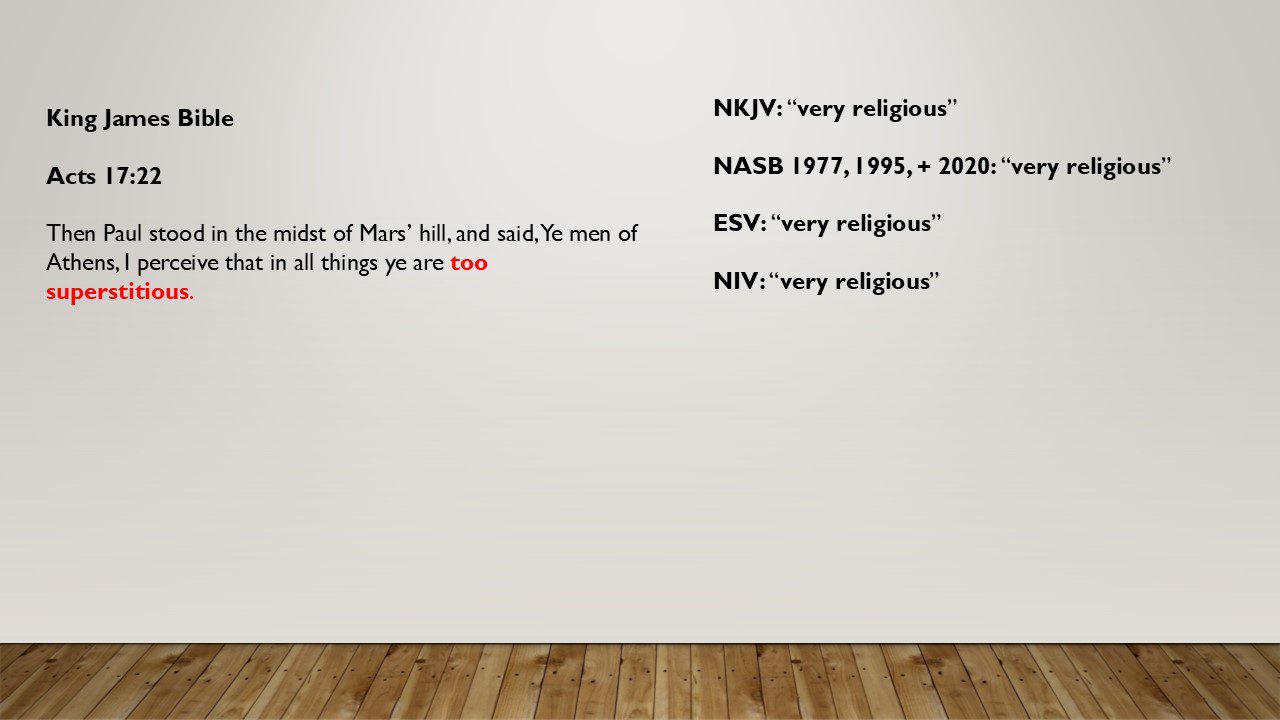
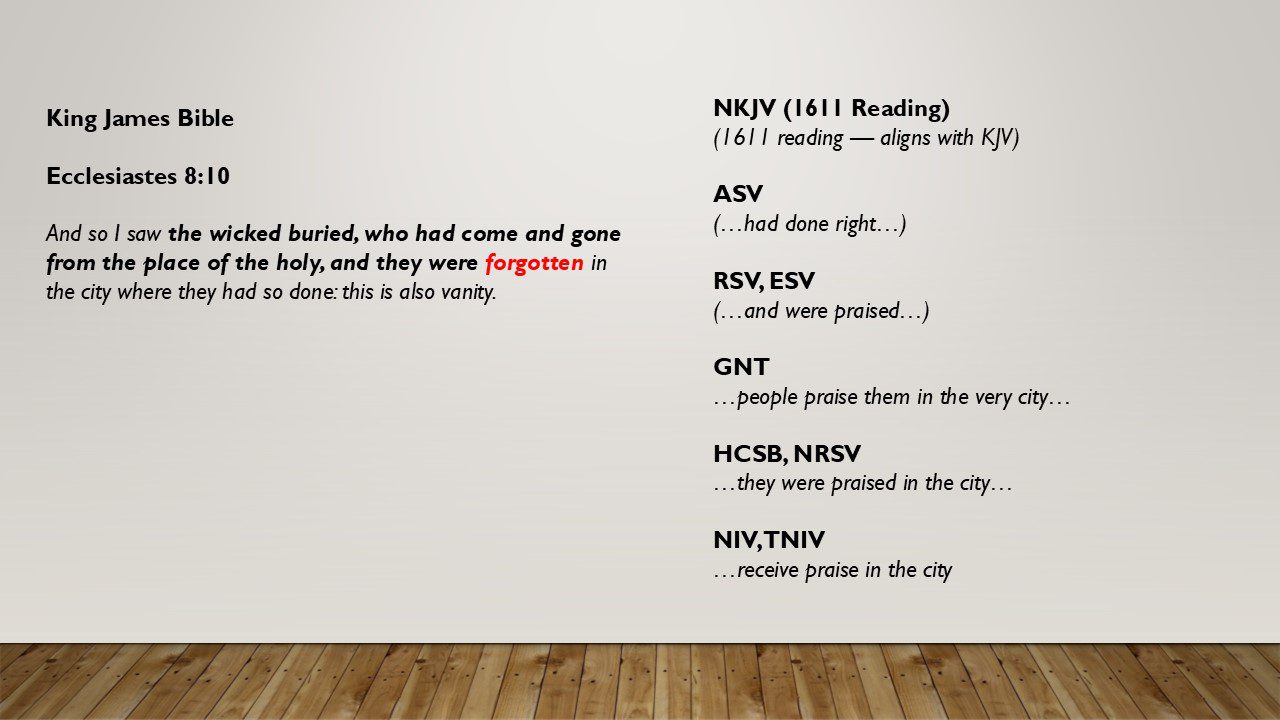
Modern “Scholars” will say that these verses were omitted because they weren’t in their manuscripts so we were honest and left them out. Really? Is God the author of confusion? If the goal was to translate “the Bible” into modern English, why not just update the language from the King James Bible? If their goal was to bring together ALL the manuscript evidence and simply update the verses; why leave them out? Unless that wasn’t the goal at all? Looking at what was omitted we see verses that speak to the deity of Christ, the Trinity, the rapture, religious heretics, forgiveness, miracles… In fact when you look at it in this perspective, it makes more sense that modern religions that don’t believe in those things; promote or use those modern bibles. 

It has been told that Charles Taze Russell, the founder of the the jehovah’s witness cult grew up under the traditional preaching of the Word of God. Hearing that he could go to hell so infuriated him that he sought to have a religion and a bible that removed that teaching. It makes you think about the motives of these other “scholars” when they choose what verses gets used, added or removed from a translation. 

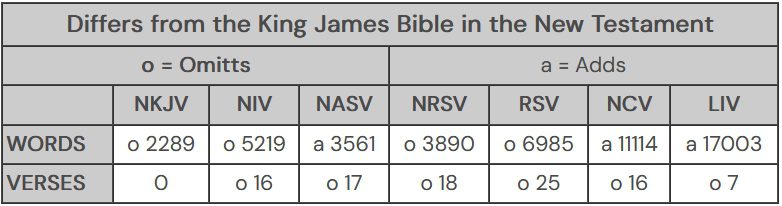
Words and Verses Omitted or Added in Modern Versions

The chart seen below helps to get a graphic of just how many changes there were in many of the most popular translations. Ones that are watered down even more like the street bible, the slang bible, the comic book bible… barely have enough scripture in them to be called a bible.


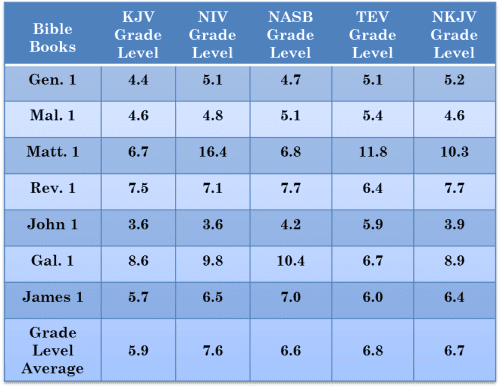
Are the Modern versions easier to understand?

As for the unsubstantiated assertion that the modern version are easier to understand, the Flesch-Kincaid Research Company’s Grade Level Indicator shows this to be a fallacy. Their research shows the language of the King James was actually easier to understand in 23 out of 26 comparisons. In their study they compared the first and last chapters of the first and last books of the Bible (Genesis and Revelation), one Gospel (John), one Pauline epistle(Galatians), and one General epistle (James). The result of their research can be seen on the following chart.


2 Sides to Every Story

When my wife and I visited her hometown, we went to the church she grew up in. The pastor was preaching that day. Now, this particular church made no preference for any one Bible version. During the sermon, the pastor actually stopped mid-message because the version he had written in his notes contradicted the point he was trying to make! (If I’m lyin’, I’m dyin’.)

So, he asked the congregation—who had dozens of different versions—to read aloud from their Bibles until he found one that supported his point. That moment proved to my wife and me that this issue was about more than just finding an “easier-to-read” Bible. He wasn’t preaching the Word; he was deciding what he wanted to say and then searching for a version that fit his narrative.

Later, I asked him about the different versions, and his answer shocked me. This “man of God,” who held a Doctorate in Theology, told me there was no true Word of God—that all versions contained errors and that we needed all of them to “piece together” whatever little truth there was. I couldn’t believe it. Why would anyone build their life and faith on something they believe to be corrupt or untrue?

This also helps explain the rise of many non-denominational churches. If you don’t believe there is one God, one faith, one salvation, and one truth, then it’s easy to make a church where everyone can “believe whatever they want—just show up!”

Let me be clear: these three articles are about why I believe the King James Bible is the Word of God. Those who defend the modern versions have plenty of data to support their arguments, and I’ve listened to many of their presentations. But too often, their discussions turn into name-calling or academic showmanship, flashing Doctorate degrees as if that settles the issue.

This debate kept me from getting saved until I was in my twenties, and it was the first topic I researched on my own after salvation. That’s why I get so frustrated when people simply repeat what “so-and-so” said, or what “Dr. Doodledigger” or “Professor Smellfungus” claim, instead of laying out the Scriptures, noting the differences, praying for the Holy Spirit’s guidance, and forming a personal conviction.

This indifference divides us rather than unites us. God’s desire is that His people be one in Christ, moving in the same direction. Shouldn’t that mean we’re all reading the same Bible—one that is above question and free from error?


Resource information

The issue of a perfect Bible is not simply a mathematical equation or scholastic endeavor. Every Christian must accept that God’s Word is inerrant on the basis of faith, since God demands faith from any man who desires to please Him (Hebrews 11:6). However, the stance that the King James Bible is perfect is not a position of ignorance. It is a well-studied position, with support from both history and scholarship.

A great place to start would be The Answer Book by Sam Gipp, which is available in its entirety for free online. You can also browse his website for a helpful books by a variety of authors. 

The following sermons on the King James Bible issue were preached at the 400th Year Anniversary of the KJV Conference in April 2011 at the Hope Baptist Church in Toledo, Ohio.


Why I Believe the King James Bible (Part 2) Manuscript lines

Two Paths: The Story Behind the Bible Versions

Choosing what Bible to read is one of the most important spiritual decisions a believer can make. Behind every English Bible lies one of two paths of manuscripts. One path was faithfully preserved by believers who viewed Scripture as holy and unchangeable. The other was critically reconstructed by scholars who compared fragments and chose what they thought the text should say. At first, it may seem like both lead to the same message—but when compared closely, the differences matter. In the pages ahead, we’ll look at how these paths formed, what makes the King James Bible unique, and why its foundation, language, and freedom from copyright continue to make it the most trusted English Bible in the world.

How the King James Bible Was Translated

One of the greatest misunderstandings about the King James Bible is that it was the work of just a few men sitting in one room, deciding what they thought God meant. That couldn’t be further from the truth.

The translation of the King James Bible began in 1604 under the direction of King James I of England and was completed in 1611. The team included about fifty of the most respected scholars and theologians of their day, drawn from the great universities of Oxford, Cambridge, and Westminster. These men were not random clergy; they were experts in Hebrew, Greek, Latin, Aramaic, and English — many fluent in several ancient languages.

The process was incredibly structured. The translators were divided into six independent committees, or “companies.” Each company was assigned a different portion of Scripture — for example, one group worked on the Pentateuch, another on the Gospels, another on the Epistles, and so on.

When a section was finished, it was passed along to another company for review — without commentary, notes, or explanation — so that no one’s personal opinion could influence the meaning. Each group examined the text afresh, judging the translation purely on accuracy and faithfulness to the original languages. In this way, every verse of the Bible was examined and re-examined multiple times by multiple independent scholars.

After these rounds of review, a final committee compared the entire Bible to ensure unity and consistency of wording and doctrine. The result was not one man’s interpretation, but the consensus of many godly scholars, each holding the text itself — not human reasoning — as the final authority.

But beyond the method, there was a mission: to make God’s Word accessible to everyone, not just church leaders or scholars. For centuries, Scripture had been locked away in Latin — a language few could read — and interpretation was left to priests and theologians. King James believed that every man and woman should be able to hear the Word of God in their own tongue. The translators shared that vision, writing that “translation it is that openeth the window to let in the light… that putteth the key in the hand, to let out the imprisoned truth.”

For the first time, a single English Bible was authorized for public reading in every church, uniting the people under one text of Scripture. It was not only a work of scholarship but a work of spiritual liberation — the Bible brought out of the study and into the hands of the people.

Unlike modern translation methods, which often rely on committees bound by publishing deadlines, denominational preferences, or profit motives, the King James translators approached their work with deep reverence and humility. They viewed themselves not as editors, but as guardians of God’s Word.

It’s no wonder the finished work has stood the test of time. When translation is done through prayer, collaboration, and a shared belief in divine preservation, the result isn’t opinion — it’s truth faithfully carried forward.

1. The Traditional Text – The King’s Path

A long time ago, most Christians used copies of the Bible made from what’s called the Traditional Text, also known as the Textus Receptus or Received Text. These copies came from thousands of handwritten manuscripts that agreed with each other very closely. They were used by early churches across Europe, the Middle East, and parts of Africa. When King James of England wanted a Bible for English-speaking people in 1611, his translators used this traditional family of manuscripts. Because it was copied and shared so much among believers, many people believe God protected this line of text through the centuries. That’s why this is often called the preserved path or the majority text—because the majority of existing manuscripts agree with it.

The King’s Charge for Accuracy

When King James I authorized the translation of what would become known as the King James Bible, he made it clear that the work was to be done with unquestionable accuracy and spiritual integrity. His goal was not to create a “new” Bible, but to refine the existing English translations into one clear, unified, and faithful to the Word of God.

In The Epistle Dedicatory, the translators praised the King’s devotion to truth and the preservation of Scripture, writing that “among all our joys, there was none that more filled our hearts than the blessed continuance of the preaching of God’s sacred Word among us.” They recognized that under his leadership, the nation was blessed with “the inestimable treasure which excelleth all the riches of the earth.”

King James’s involvement was deliberate and exacting. He required that the translation be free from bias and sectarian influence. Each passage was to be cross-checked, compared, and confirmed by multiple scholars working independently. His charge was clear: accuracy before opinion, Scripture before scholarship, and truth before tradition.

The translators themselves affirmed this spirit in “The Translators to the Reader.” They declared that their purpose was not to rewrite Scripture, but to purify and preserve it:

“We never thought from the beginning that we should need to make a new translation, nor yet to make of a bad one a good one… but to make a good one better, or out of many good ones one principal good one, not justly to be excepted against.”

That statement alone reveals their humility and reverence. They were not inventing truth — they were guarding it. They acknowledged that translation is “a sacred work,” noting that “the very meanest translation of the Bible in English containeth the Word of God, nay, is the Word of God.” Yet they also believed that through diligent comparison and prayerful labor, the text could be presented with greater purity.

To ensure this, King James established strict rules of translation. (see points at the end of this article) Among them were:

  • “The ordinary Bible read in the Church, commonly called the Bishops’ Bible, to be followed, and as little altered as the Truth of the Original will permit.”
  • “No marginal notes at all to be affixed, but only for the explanation of the Hebrew or Greek words.”
  • “These translations to be reviewed by the Bishops and the chief learned of each Church.”

Every safeguard pointed to one central goal — that the authority of Scripture would stand above the authority of men.

The translators concluded their preface with deep humility, giving credit not to scholarship but to God Himself:

“It is not possible to have a translation so sound and so perfect, but it may be corrupted by others… Yet we desire that the same God who blessed the former work, will bless ours also, that it may be approved to His glory and to the edifying of His Church.”

Their words echo the heart of King James’s charge: truth must not be tampered with, nor shaped by human opinion. This was not about “making it easier to read,” but about preserving the unchanging Word of God in a language His people could trust.

In short, the King demanded accuracy — and the translators delivered it with prayer, precision, and profound respect for the Scriptures. Their work remains a testimony to what happens when faith and scholarship walk hand in hand under divine authority.

The Masoretic Text – The Old Testament Foundation

The Masoretic Text is the official Hebrew text of the Old Testament that the King James translators used. It was preserved by Jewish scribes called the Masoretes, who lived between about 500 and 1000 A.D. Their life’s work was to copy the Hebrew Scriptures with incredible accuracy so that not a single word of God’s message would be lost.

They followed strict rules:

  • They counted every letter and word on each page.
  • If one letter was wrong or missing, they threw away the entire scroll and started over.
  • They added tiny marks called vowel points to help people pronounce Hebrew words correctly.

Because of their care, the Masoretic Text became the standard Hebrew Bible used in Jewish synagogues and by Christian translators alike.
When the King James Bible was created, its translators used:

  • The Masoretic Text for the Old Testament (Hebrew), and
  • The Textus Receptus for the New Testament (Greek).

That combination gave the King James Bible a foundation built on what many call the Preserved Texts—copies faithfully protected and passed down through generations. Even modern discoveries like the Dead Sea Scrolls have shown how closely the Masoretic Text matches ancient copies of Scripture, proving how carefully God’s Word was guarded.

Inspired by the Holy Ghost

But there’s something even more important than how carefully the words were copied: who gave the words in the first place. The Bible says, “Holy men of God spake as they were moved by the Holy Ghost” (2 Peter 1:21). That means the writers of Scripture didn’t just write from memory or tell stories about what they saw. They were moved by God’s Spirit—their words were God-breathed. Anyone can copy what the Bible says, or even record what they saw at an event like Jesus feeding the 5,000 or Moses parting the Red Sea, but that doesn’t make their writing inspired. It isn’t the age of the manuscript or the eyewitness that gives it power—it’s whether the Holy Ghost inspired it.

King James Bible believers hold that God not only inspired His Word when it was first spoken, but also preserved those inspired words through the faithful line of manuscripts—the same ones used in the King James Bible. So while other manuscripts might be older, the King James Bible is trusted because it follows the line of God-ordained, Spirit-guided writers and preservers.

2. The Critical Text – The Scholar’s Path

In the 1800s, two Cambridge scholars named Brooke Foss Westcott and Fenton John Anthony Hort began re-examining the ancient Greek manuscripts of the New Testament. Their goal sounded simple: to build what they believed would be a more “accurate” Greek text by comparing and editing the oldest copies they could find. Among the manuscripts they used were two Egyptian discoveries—Codex Sinaiticus (found in a monastery near Mount Sinai) and Codex Vaticanus (stored in the Vatican Library). These came from the region of Alexandria, Egypt, which is why this family of writings is often called the Alexandrian Text or Critical Text.

A Smaller, Different Family

Even though these Egyptian manuscripts were older, there were very few of them—only a handful compared to the thousands of manuscripts that agreed with the Traditional Text (also called the Textus Receptus). Worse, they often disagreed with one another, and sometimes even contradicted themselves within the same document! Entire words, sentences, and verses were missing or rearranged.

Westcott and Hort reasoned that because these manuscripts were older, they must be closer to the originals. But “older” doesn’t always mean “better.” A bad copy from the 3rd century is still a bad copy. They built a new Greek New Testament using these few Alexandrian manuscripts as their base and gave less weight to the vast majority of manuscripts that supported the Textus Receptus. It was a bold move—and it became the foundation for nearly all modern “critical” Greek texts, including the Nestle-Aland and United Bible Societies editions used by most translators today.

Modern Tools, Modern Problems

Here’s where things start to go off the rails. Modern translators don’t just use a different Greek text—they also use modern lexicons, grammar rules, and translation tools that would have made no sense to the King James translators.

The KJV translators worked from the understanding that the Bible was the final authority, not the scholars. Their tools, dictionaries, and language guides were built on a belief that Scripture interprets itself and that the Holy Spirit leads in understanding truth.

But modern translators often flip that around. Instead of letting the Bible define its own terms, they let modern scholarship decide what the Bible should say. Many modern lexicons and dictionaries are updated every few years based on the opinions of committees—men and women who don’t always agree with one another and often don’t even believe the Bible is perfect. So, if your “authority” keeps changing, your translation will too.

Think about it: if the meaning of a Greek word shifts every time a new edition of a lexicon is printed, how can anyone say they’ve produced a “more accurate” Bible? That’s like trying to hit a moving target. The King James translators worked from fixed sources with consistent meanings; today’s scholars work from flexible sources with ever-changing definitions.

The Shift in Authority

This is why the difference isn’t just about reading level or language—it’s about authority. The King James Bible stands on the belief that God preserved His words and gave them to us to trust and believe. The modern versions stand on the belief that man must reconstruct God’s words, compare them, edit them, and update them as needed.

When you start with a shifting foundation, you end up with shifting truth. That’s why, when someone points to an “error” in the King James Bible, what they’re really doing is measuring it by a different standard—one that the translators themselves never used and never accepted.

In short, it’s not that the King James Bible changed—it’s that the tools, methods, and authorities used to judge it did. And when you change your measuring stick, you’ll always find a new place to say, “That’s wrong.”

The Languages of the Bible

The Bible was not originally written in English!

  • The Old Testament was mostly written in Hebrew, the language of the Jewish people.
  • A few parts, like sections of Daniel and Ezra, were written in Aramaic.
  • The New Testament was written in Greek, the main language of the Roman world at that time.

The Aramaic Text – The Everyday Language of the Bible Lands

Aramaic is a sister language to Hebrew. It became common during Israel’s captivity in Babylon and was widely spoken across the Middle East by the time of Jesus. While Hebrew was the language of Scripture, Aramaic was the language of the people—used in homes, marketplaces, and everyday speech.

Parts of the Old Testament were written in Aramaic:

  • Ezra 4:8–6:18
  • Ezra 7:12–26
  • Daniel 2:4–7:28
  • Jeremiah 10:11

In the New Testament, Jesus Himself sometimes spoke in Aramaic:

  • Talitha cumi” — “Little girl, arise.” (Mark 5:41)
  • Eli, Eli, lama sabachthani” — “My God, My God, why hast Thou forsaken Me?” (Matthew 27:46)
  • Abba” — “Father.”

Later, ancient scholars made Aramaic translations of the Hebrew Scriptures called the Targums to help people understand God’s Word in their everyday language. However, the King James translators relied on the Hebrew Masoretic Text and Greek Textus Receptus—the manuscripts believed to have been preserved by God’s direction through holy men, not just through everyday record-keepers.

Translation and Transliteration

When the Bible was brought into English, translators had to move from these ancient languages into words we could understand. That’s where translation and transliteration come in.

Translation means changing the words from one language into another so the meaning stays the same.
Example: the Hebrew word shalom means “peace.”

Transliteration means writing the sounds of a word from one language into another alphabet, without changing its meaning.
Examples:

  • The Greek word baptizo becomes “baptize.”
  • The Hebrew name Yeshua becomes “Jesus.”

Both translation and transliteration were necessary when bringing the Bible into English. The translators of the King James Bible worked carefully to decide when to translate the meaning and when to transliterate the sound—so that readers could both understand and honor the sacred words of Scripture.

The Heart of the Matter

Those who love the King James Bible believe it stands on the strongest foundation because:

  • It comes from the majority of manuscripts used by believers for centuries.
  • Its translators were careful and believed they were handling God’s perfect Word.
  • Its language, though old-fashioned, is precise and powerful.
  • It follows the line of inspiration and preservation given by the Holy Ghost through holy men of God.

Clearing Up a Few Thoughts

Some people think the “thee’s” and “thou’s” in the King James Bible were added just to sound old-fashioned or royal, since the translation was made for King James. Others even call it “the King’s English,” as if the style was meant to sound fancy or poetic. But the truth is, those words weren’t chosen for decoration—they were chosen for clarity and accuracy. The translators used them on purpose to help readers understand exactly who was being spoken to in each verse.

Why “Thee” and “Thou” Matter

In the early 1600s, English had two ways to say “you,” just like some languages do today.

  • “Thou,” “thee,” and “thy” were singular — used when talking to one person.
  • “Ye,” “you,” and “your” were plural — used when talking to more than one person.

Over time, English speakers dropped this difference and just started using “you” for everything. But in the Bible, that difference still matters!

For example, in Luke 22:31–32, Jesus says:

“Simon, Simon, behold, Satan hath desired to have you, that he may sift you as wheat:
But I have prayed for thee, that thy faith fail not.”

In this verse:

  • The word “you” is plural—Jesus is talking about all the disciples being tempted.
  • The word “thee” is singular—He is speaking directly to Peter in particular.

Without those older forms, you might miss that Jesus gave Peter a personal warning and encouragement separate from the group.

A Language with Purpose

Think of it this way:
In Spanish, words change to show whether you’re talking to a man or a woman, one person or many. In the King James Bible, “thee’s” and “thou’s” serve a similar purpose—they show number and closeness in a way modern English no longer does.

  • Thou” is personal—one person, often close or intimate.
  • You” (in 1611 English) was more formal or plural.

The translators didn’t keep these words to sound royal; they kept them because they carried meaning that newer English words can’t easily replace.

Precision Over Popularity

The King James Bible translators could have modernized their language even in their day—after all, “thou” and “thee” were already fading from common use. But they chose to preserve these distinctions so readers could know exactly what God said and to whom He said it. So when you read a “thee” or a “thou,” remember: it’s not there to sound fancy—it’s there to help you see God’s Word more clearly. That’s one of the reasons many believe the King James Bible isn’t just beautiful—it’s precisely inspired and intentionally translated.

God’s Word Has No Boundaries

Another important truth about the King James Bible is that it’s free for everyone to share. Unlike most modern Bible versions, the King James Bible is not under copyright. You can print it, quote it, record it, or distribute it anywhere in the world without paying a fee or asking permission. That’s because it belongs to everyone—not to a publishing company, not to a committee, and not to a corporation. It belongs to God’s people, and ultimately, to God Himself.

The Bible says, “The word of God is not bound.” (2 Timothy 2:9)
God’s truth is meant to go out freely, crossing borders, languages, and generations.

Most modern versions, however, are copyrighted. That means you can’t freely reproduce large sections without special permission. Publishers hold the rights, and many times, those rights are used to control printing or profit from sales. King James Bible believers see this as more than a legal matter—it’s a spiritual one. The Word of God was never meant to be locked behind a copyright symbol. It was given so that “all the earth may know that the LORD is God.” (1 Kings 8:60) The King James Bible stands as a testimony that God’s Word has no boundaries, no restrictions, and no price tag. It is a gift of grace, freely given to all who will receive it.

It’s worth noting that for a Bible to receive a copyright, it must be considered a “new” creative work — not simply a revision of a public-domain text. In other words, a publisher can’t copyright the King James Bible itself, but only a version that differs enough to be legally distinct. This means that translations like the New King James Version had to be changed significantly, not just polished. Those changes weren’t only linguistic — they were required to create something that could be owned, controlled, and sold. The King James Bible, by contrast, remains free to all because it belongs to none but God’s people.

(see more in the resource section below)

Why People Think the King James Bible Has Errors

Let’s be honest—of course you can make the King James Bible look like it has errors if you’re not using the same tools and sources the translators used. That’s just common sense.

The King James Bible was translated in 1611 by scholars who used the Greek and Hebrew texts available to them and the English language as it was understood at that time. Their word choices were clear and accurate based on the meanings those words had then.

But today, many people look at the King James Bible through the lens of modern lexicons and modern dictionaries—books that are constantly being rewritten and redefined by new “experts.” When the meanings change, of course the old words will look “wrong.” That’s not a mistake in the Bible—that’s a mistake in the comparison.

It’s like grading a 400-year-old test with a brand-new answer key. If your “authority” keeps changing, you’ll always find “errors,” even where there aren’t any.

Here’s an easy example: the word “conversation” in 1611 didn’t just mean talking—it meant your way of life or manner of living. If you read it with today’s definition, it seems off, but when you understand the original meaning, it makes perfect sense.

So the problem isn’t with the King James Bible—it’s with people using shifting, modern sources to judge a book that never changed. The translators had one set of standards. The modern crowd has another. When you mix them up, confusion is guaranteed.

The Big Picture

Now that we’ve seen how the Bible was preserved and translated, let’s look at why choosing the right version truly matters.

Choosing what Bible to read is a very important decision.

Dr. Mickey Carter was famous for coining the term: “Things that are different are not the same.” This statement (and book) help to identify how important this choice of your spiritual foundation really is. This series of articles scratches the surface of the weighty arguments on both sides. My take, why mess with perfection?

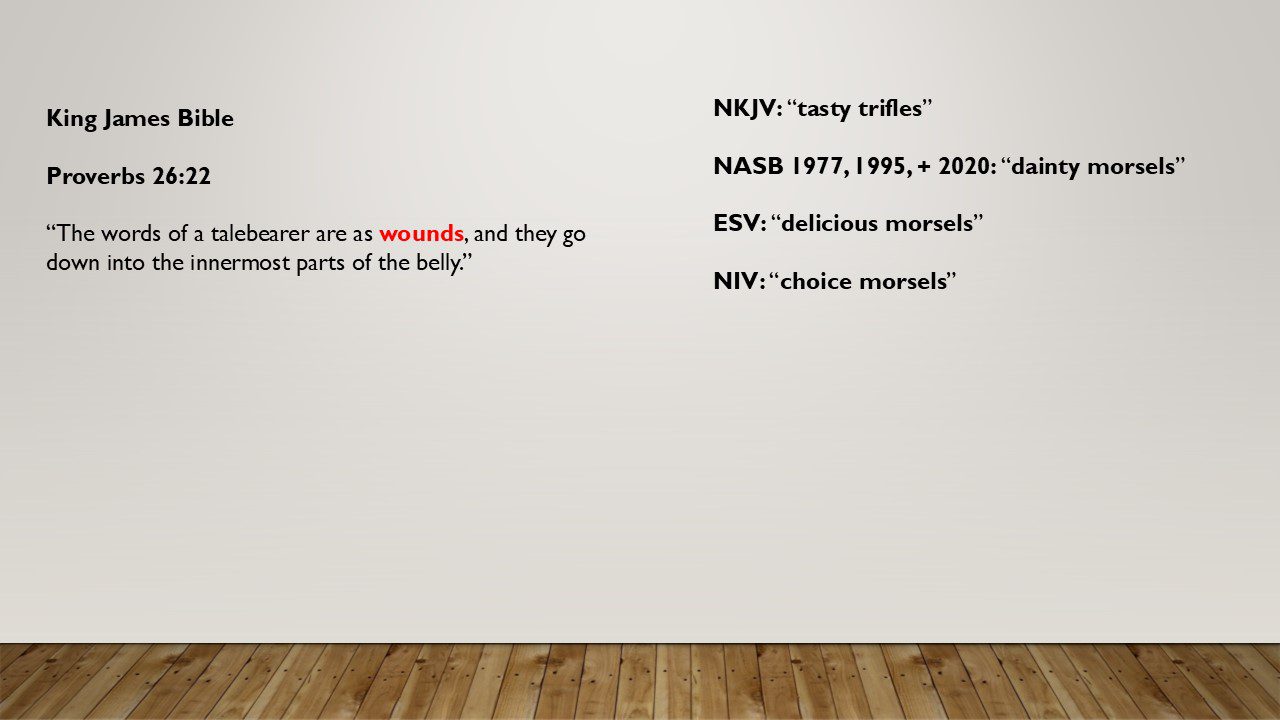
While it is true that modern versions contain many of the words of God and often succeed in updating old expressions into modern language, they didn’t stop there. The differences between Bible versions aren’t just about easier wording—they trace back to different families of manuscripts. This is where manuscript identity becomes important. The King James Bible follows the Textus Receptus (for the New Testament) and the Masoretic Text (for the Old Testament)—the traditional and preserved line of Scripture that believers have trusted for centuries. Many modern translations, however, are based on Critical Text manuscripts, which sometimes change or omit words, phrases, or even verses that appear in the Textus Receptus. In most cases, those changes are minor, but in others they alter the meaning entirely—even reversing what the verse teaches.

For example:

  • Psalm 4:5 – where “put your trust in the Lord” becomes clouded or reworded.
  • Ecclesiastes 8:10 – changes the focus of who is forgotten and who is remembered.
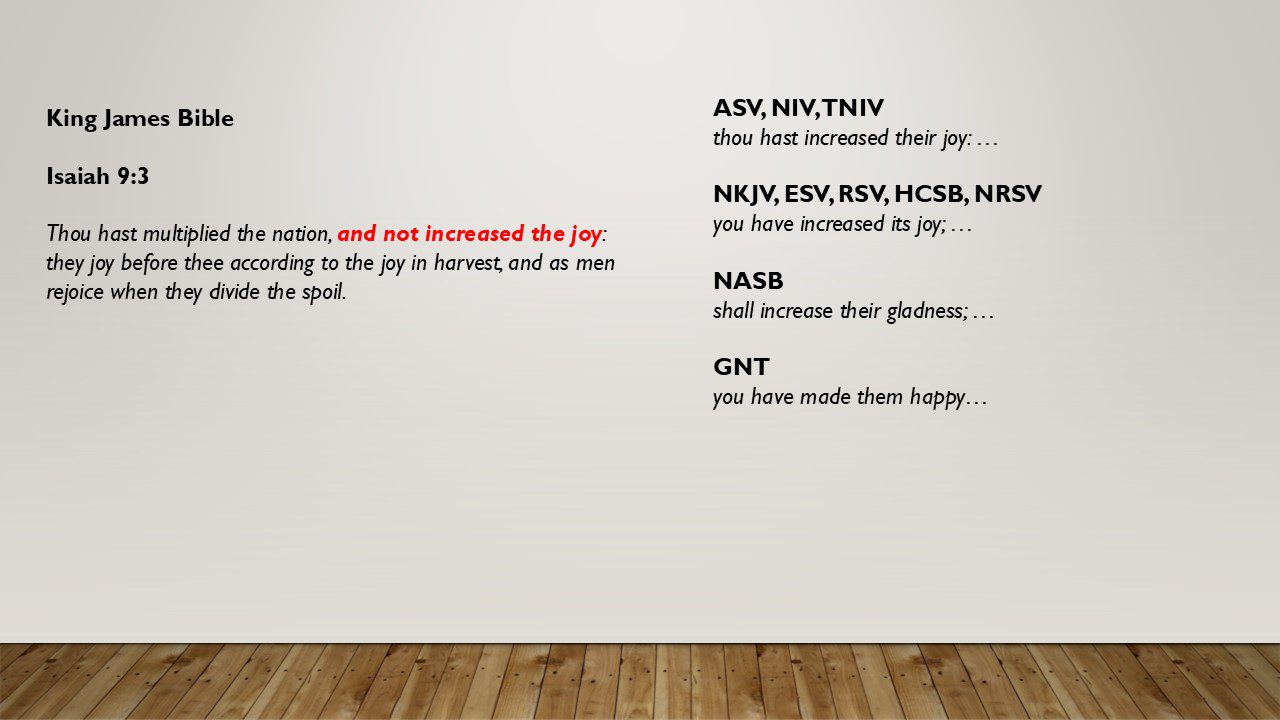
  • Isaiah 9:3 – flips the message of joy into one of lessening.
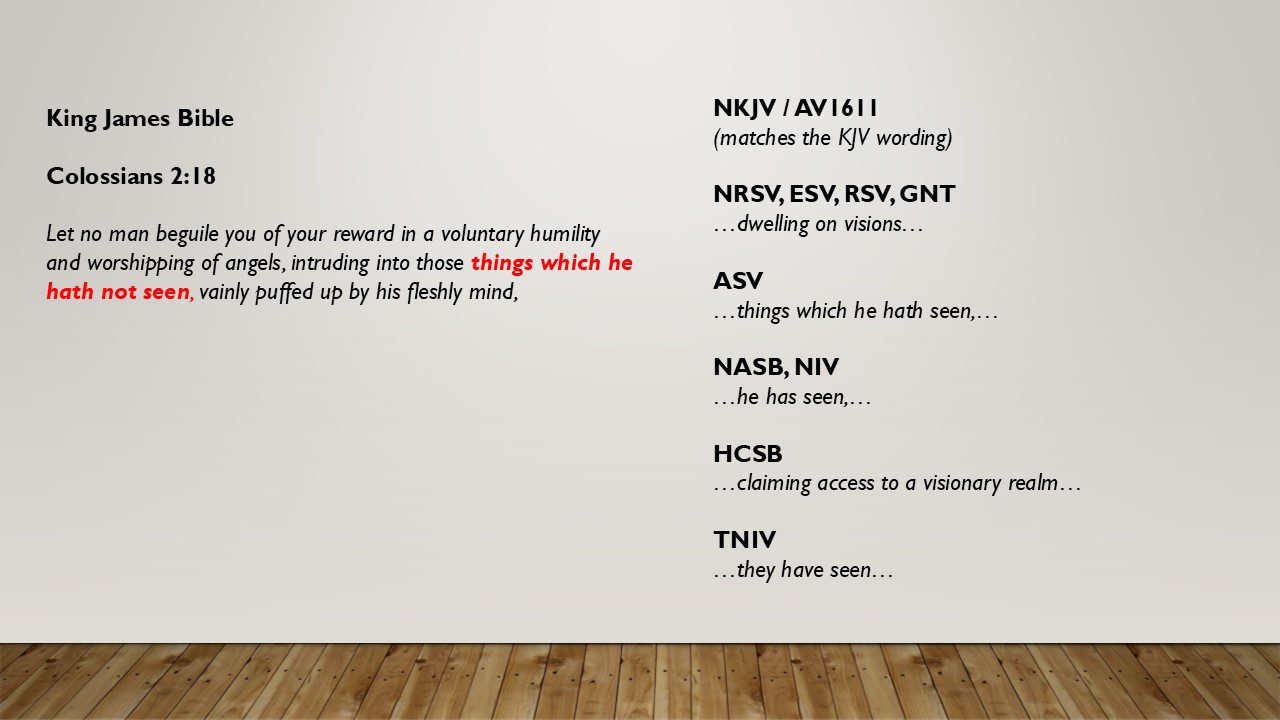
  • Colossians 2:18 – turns a warning into a permission by adjusting a single phrase.
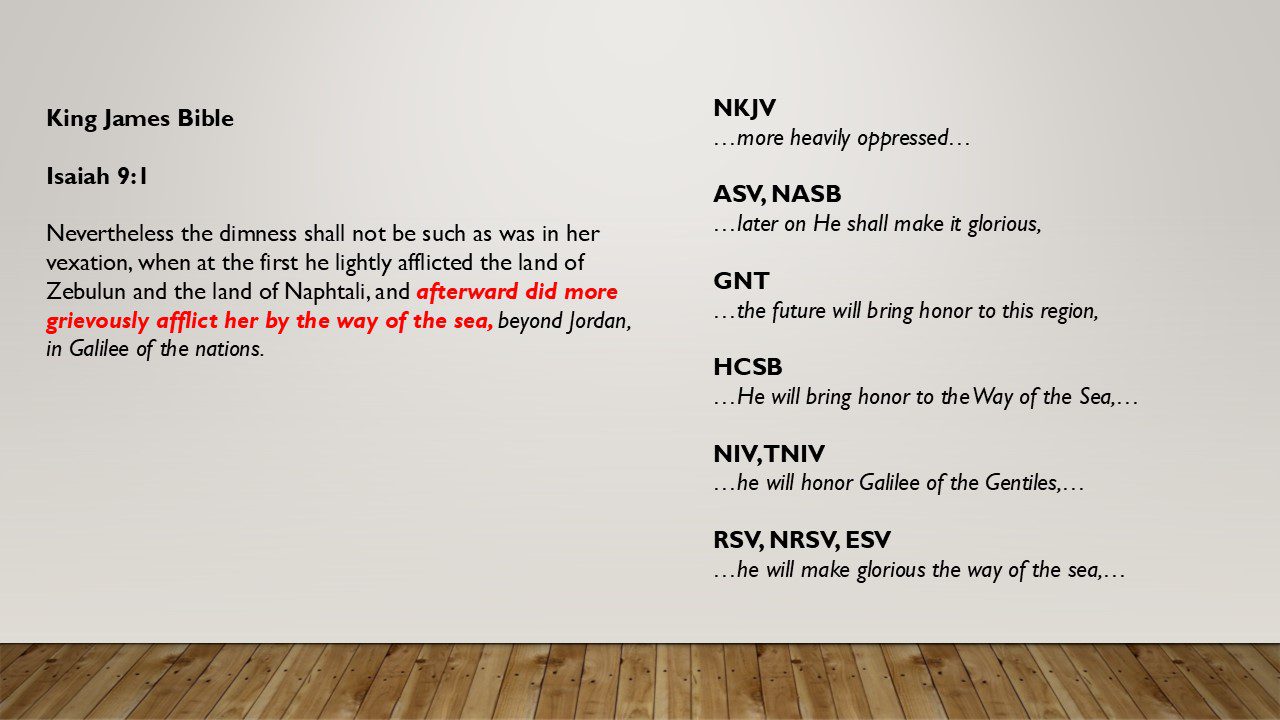
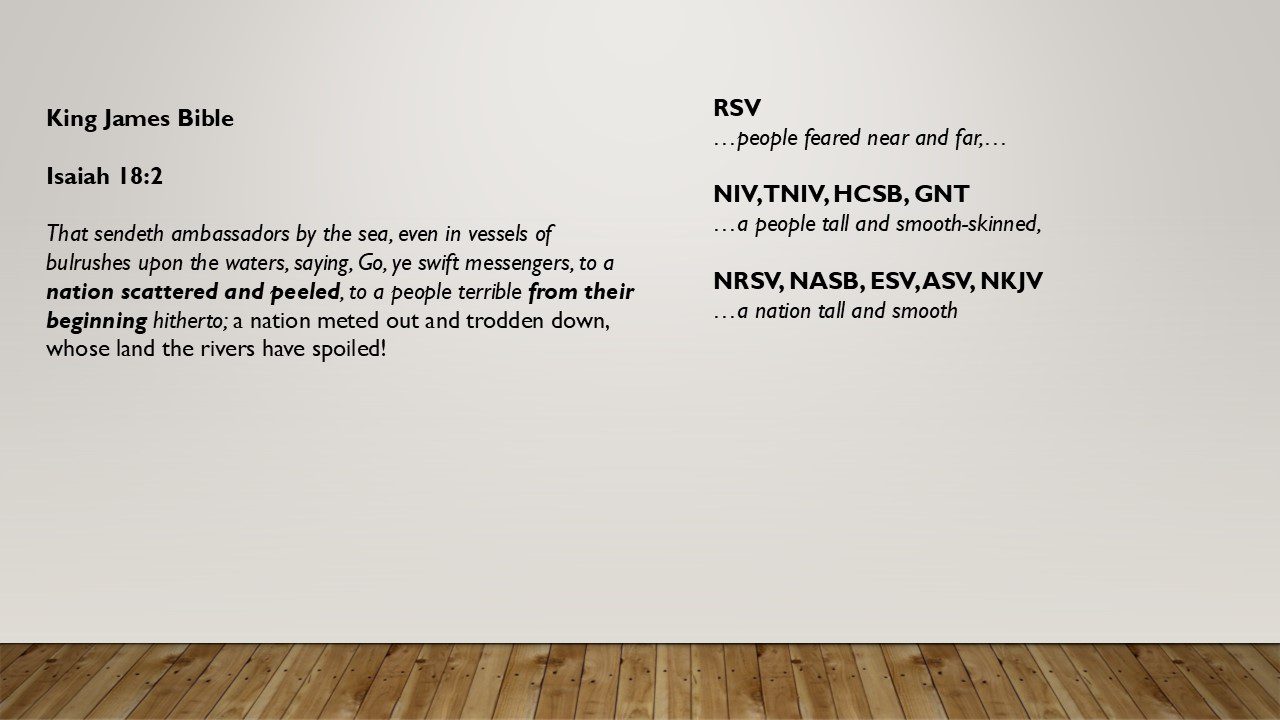
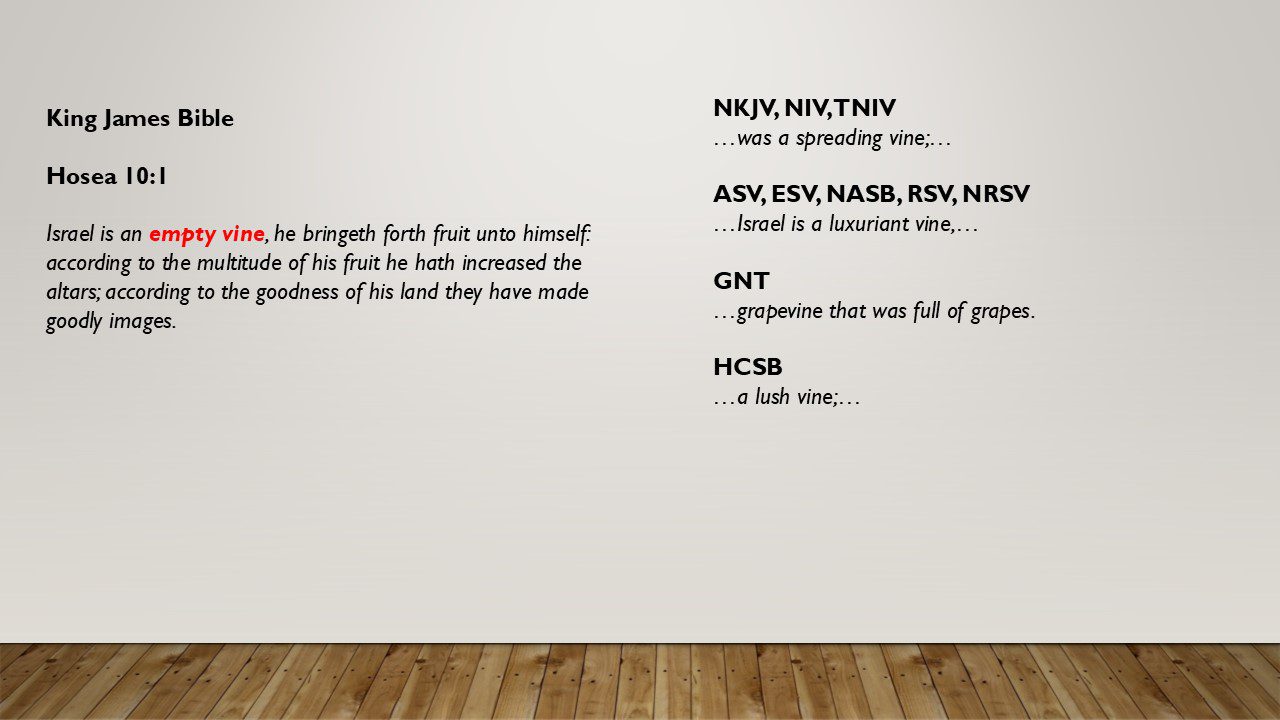
  • Hosea 10:1, Isaiah 9:1, and Isaiah 18:2 – show shifts in meaning that go beyond modern phrasing to doctrinal contradiction.

These examples show that modern versions don’t simply update language—they sometimes depart from the foundation that the King James Bible was built on. For that reason, those who believe in preservation through the Holy Ghost hold that the King James Bible stands apart—not just for its beauty, but for its purity and consistency. Its translators didn’t seek to modernize or simplify; they sought to be faithful to what God had already said.

“The words of the LORD are pure words: as silver tried in a furnace of earth, purified seven times.
Thou shalt keep them, O LORD, thou shalt preserve them from this generation for ever.”

Psalm 12:6–7 (KJV)


Additional Reference Section

Rules of Translation: King James’s Guidelines

When King James I commissioned the Bible that now bears his name, he didn’t simply tell a few scholars to “get it done.” He laid out a clear set of rules and safeguards to ensure faithfulness to the Word of God. These rules, issued in 1604, governed every stage of the work and reflected the King’s conviction that accuracy and unity were essential.

Here are the 14 primary rules (summarized and explained):

  1. Follow the Bishops’ Bible.
    The Bishops’ Bible was to serve as the base text and only be altered when the truth of the original Hebrew or Greek required it.
  2. No marginal notes of opinion.
    Notes could be added only to explain difficult Hebrew or Greek words — not to insert commentary or doctrine.
  3. Keep traditional church words.
    Words like church, baptism, bishop, and minister were to be retained, rather than replaced with looser modern terms.
  4. Cross-check consistency.
    Each translation section was to be reviewed by all the other translation companies to ensure unity and accuracy.
  5. Consult learned men outside the group.
    If any company was uncertain about a word or phrase, they were to seek advice from scholars across the kingdom.
  6. All bishops to review the work.
    The completed translation would be presented to the Bishops of the Church of England and other leading scholars for final examination.
  7. Invite feedback from all churchmen.
    Pastors and scholars in England were encouraged to send their observations or notes to the translators for consideration.
  8. Keep names consistent with ancient forms.
    Proper names were to remain recognizable and consistent with earlier English Bibles unless there was a compelling reason to change them.
  9. Divide the work fairly.
    The translation was divided among six companies at Oxford, Cambridge, and Westminster — each responsible for different books of the Bible.
  10. Pass every section for review.
    When one group finished, they sent their work to the others for independent review — without notes or commentary — to prevent bias.
  11. Final review by senior editors.
    A select group of twelve senior translators (two from each company) performed a final unified review of the entire Bible.
  12. Consult early translations.
    The translators were to reference earlier English versions such as Tyndale’s, Coverdale’s, Matthew’s, and the Geneva Bible, recognizing the foundation those faithful men had laid.
  13. Uphold doctrinal soundness.
    No translator was to insert any reading that weakened or altered essential Christian doctrine.
  14. Prayer and reverence in every stage.
    The entire work was to be done in the fear of God, recognizing that this was not merely literature, but the living Word of the Almighty.

Why These Rules Mattered

These rules ensured that the translators were accountable to one another and to God, not to any private agenda or institution.
Their method was so thorough that every verse of the Bible was reviewed at least 14 times before it was printed.

This was not a casual effort or a “committee opinion” like many modern versions. It was a sacred labor of unity and conviction, grounded in the belief that God’s Word does not need to be rewritten — only faithfully rendered.

The Truth About Copyright and Bible Versions

In modern publishing law, copyright is granted to an original creative work — not to a copy of an existing one.
For a work to qualify for copyright protection, it must be “substantially different” (legally, “an original expression”) from what came before it.

This means that if a publisher wants to produce a new version of a public-domain text — like the King James Bible (which has been public domain for centuries) — they can’t just “clean up the language” or fix spelling and punctuation. Those minor changes wouldn’t qualify as a new creative work under copyright law.

To obtain copyright protection, a publisher has to demonstrate enough original content — such as:

  • New wording (even subtle paraphrasing)
  • Reordered phrases or clauses
  • Changed punctuation and structure
  • Added footnotes, prefaces, and study materials
  • Modernized grammar and reinterpreted meanings

So yes — when publishers created the New King James Version (1982), they couldn’t simply make a few word updates and call it new. They had to alter it enough to qualify as a distinct, copyrightable translation. That’s one reason the NKJV includes noticeable rewordings and stylistic differences from the 1611 KJV, even though it claims to follow the same Hebrew and Greek texts.

The Practical Result

The King James Bible is public domain — meaning anyone can freely print, share, quote, or distribute it without permission or fees. It belongs to the people, not to a publisher.

The New King James Version, NIV, ESV, NLT, and nearly all modern versions, however, are copyrighted.
That means:

  • Permission is required for large reproductions.
  • Royalties are collected on sales and licenses.
  • The text is legally owned and controlled by a publisher (often for profit).


Why I Believe the King James Bible Is the Word of God (Part 1) The Bible Declares It

When people talk about the Bible today, they often mention many different versions—new translations, modern updates, and “easier to read” editions. I want to explain why I believe the King James Bible (KJV) is not just another version—it is the preserved Word of God. This isn’t about tradition or nostalgia. It’s about trusting what God said about His Word and how He keeps His promises. I also look at it in this way: Counterfeit experts don’t study the reproductions, they study the perfect original. While so many spend time picking apart the modern versions I prefer to allow the bible to declare itself. Naturally there is a need for some to be shown where the issues lies in these modern translation, but this isn’t a matter of choice, this is a conviction. This is the text that ALL matters of faith and practice will be measured against, so you might wanna make sure you are right. 

2 Peter 1:3 According as his divine power hath given unto us all things that pertain unto life and godliness, through the knowledge of him that hath called us to glory and virtue:

God Promised to Preserve His Word

The Bible makes it clear that God doesn’t just speak truth—He protects it.

Psalm 12:6 The words of the LORD are pure words: as silver tried in a furnace of earth, purified seven times.
7 Thou shalt keep them, O LORD, thou shalt preserve them from this generation for ever.

That’s plain and simple. God’s words are pure, and He promised to preserve them forever. If God said His words would be preserved, then we must believe they still exist somewhere on earth today. If His Word disappeared or changed beyond recognition, then God would have broken His own promise—and that can’t happen.

Titus 1:2 In hope of eternal life, which God, that cannot lie, promised before the world began;

So, if we believe God, then His Word must still be whole, unbroken, and trustworthy. Within weeks of getting saved I went on this journey. I could NOT accept that One God with One Way had many bibles that all said something different. (see more later on this)

Psalm 119:160 Thy word is true from the beginning: and every one of thy righteous judgments endureth for ever.

God Does Not Change—Neither Does His Word

Malachi 3:6 For I am the LORD, I change not; therefore ye sons of Jacob are not consumed.

That means God doesn’t need to be updated, modernized, or change His mind. When He sets a law, a truth, or a command, it stands forever.

Psalm 119:89 For ever, O LORD, thy word is settled in heaven.

If God’s Word is settled in heaven, then it doesn’t need to be rewritten on earth. God’s truth is not like human opinions that shift with time. The same God who created the world is the same God who gave His Word, and He meant it to last. He even identifies the path this would be done in scripture:

2 Peter 1:20 Knowing this first, that no prophecy of the scripture is of any private interpretation.
21 For the prophecy came not in old time by the will of man: but holy men of God spake as they were moved by the Holy Ghost.

Numbers 23:19 God is not a man, that he should lie; neither the son of man, that he should repent: hath he said, and shall he not do it? or hath he spoken, and shall he not make it good?

Psalm 33:11 The counsel of the LORD standeth for ever, the thoughts of his heart to all generations.

Because God is unchanging, His Word reflects that same perfection and has no need of change. He doesn’t “revise” His truth to fit modern times. The King James Bible stands as a witness to the God who never changes His message—only hearts through His Spirit.

God Has No Variableness—Neither Should His Word

James 1:17 Every good gift and every perfect gift is from above, and cometh down from the Father of lights, with whom is no variableness, neither shadow of turning.

The Bible makes it clear—God doesn’t waver. There is no “variableness” in Him. His light doesn’t flicker, and His truth doesn’t bend. Everything He does, from creation to salvation, reflects His perfection and consistency and ON PURPOSE!

When we look through Scripture, we see that same pattern of unchanging precision.

  • God gave specific instructions for how the priesthood should dress (Exodus 28).
  • He gave specific laws for offerings and sacrifices.
  • He gave specific directions for building the Ark, the Tabernacle, and the Temple.
  • He gave one way to approach Him in the Old Testament through the priestly system and the Law.
  • And He gave one way to approach Him in the New Testament—through Jesus Christ alone.

In every dispensation, God’s plan has been exact and unwavering. He does not leave the details of His holiness to man’s interpretation. If He required precise obedience in worship, garments, offerings, and ordinances, then surely He requires the same care in how His Word is kept and transmitted. God has never had any variableness in His Word. From the law to grace, from the prophets to the apostles, His message has remained the same: man is sinful, God is holy, and salvation comes only through faith in Him. So why would we believe that this same God—who demanded such exactness in everything He established—would suddenly celebrate His Word being scattered into dozens of differing translations and interpretations? Today, there are over 60 “popular” Bible versions and hundreds of lesser-known ones—some rewritten for culture, some simplified until they lose meaning, and some made to sound like comic books or street slang. But God never needed help making His Word clearer or even more clever—He only calls us to believe it. If the Father of lights has “no variableness, neither shadow of turning,” then His Word should reflect that same constancy. The King James Bible has stood the test of time because it doesn’t change with the world—it stands with God.

Ecclesiastes 3:14 I know that, whatsoever God doeth, it shall be for ever: nothing can be put to it, nor any thing taken from it: and God doeth it, that men should fear before him.

John 10:35 If he called them gods, unto whom the word of God came, and the scripture cannot be broken;

Ephesians 4:5 One Lord, one faith, one baptism,
6 One God and Father of all, who is above all, and through all, and in you all.

2 Timothy 2:13 If we believe not, yet he abideth faithful: he cannot deny himself.

James 1:8 A double minded man is unstable in all his ways.

The Narrow Path—One Way, One Book

Matthew 7:14 Because strait is the gate, and narrow is the way, which leadeth unto life, and few there be that find it.

God has always made His path clear and narrow—not wide and open to every new idea. He gave one way to salvation through His Son, Jesus Christ. And He gave one book that tells that story perfectly. Just as there is only one Savior, I believe God made sure there would be one pure Bible that points directly to Him without confusion.

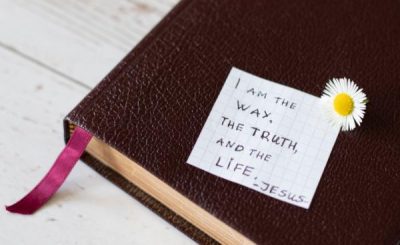
John 14:6 Jesus saith unto him, I am the way, the truth, and the life: no man cometh unto the Father, but by me.

1 Corinthians 14:33 For God is not the author of confusion, but of peace, as in all churches of the saints.

God’s pattern has always been unity and clarity. He provided one way of salvation, one faith, one truth—and one preserved book that declares it. When dozens of versions say slightly different things, confusion follows. But the God who authored peace preserved one faithful witness to His Word.

John 10:1 Verily, verily, I say unto you, He that entereth not by the door into the sheepfold, but climbeth up some other way, the same is a thief and a robber.

If you are going to acknowledge that modern versions are not perfect, but “acceptable”, let me ask you this way…

  • How many lies do you need to tell to be a liar? (one)
  • How many things do you need to steal to be a thief? (one)
  • How many sins do you need to commit to be a sinner? (one)
  • How many errors in a modern translations are needed to make it corrupt? (see my point?)

God Warns Against Adding or Taking Away

Revelation 22:18 For I testify unto every man that heareth the words of the prophecy of this book, If any man shall add unto these things, God shall add unto him the plagues that are written in this book:
19 And if any man shall take away from the words of the book of this prophecy, God shall take away his part out of the book of life, and out of the holy city, and from the things which are written in this book.”

That’s not a small matter. God takes His Word seriously. When people add or remove words, they change what God said. Over time, that can lead people away from the truth. The King James Bible has stood for over 400 years without being rewritten or watered down. It has guided preachers, missionaries, and entire nations. That kind of lasting fruit is not a coincidence—it’s evidence of God’s hand of preservation. Depending on who you ask (which is part of the problem) there are over nearly 400 core changes between the King James and modern versions with thousands of words changed to make them read more “modern”. That’s pretty far away from Revelation 22 (just sayin’)

Deuteronomy 4:2 Ye shall not add unto the word which I command you, neither shall ye diminish ought from it, that ye may keep the commandments of the LORD your God which I command you.

Proverbs 30:5 Every word of God is pure: he is a shield unto them that put their trust in him.
6 Add thou not unto his words, lest he reprove thee, and thou be found a liar.”

God’s warnings are not suggestions—they’re safeguards. When we tamper with His Word, we risk distorting divine truth. The King James Bibles longevity and unchanged nature are testimonies that it honors this warning, standing as a pure vessel of God’s message.

The Power and Fruit of the King James Bible

The King James Bible has produced revival after revival. It has been the Bible used by evangelists like Charles Spurgeon, Dwight L. Moody, and Billy Sunday. It shaped the hearts of believers for generations. The Holy Spirit has used it to bring millions to salvation. It is the ONLY bible seen to lead national revivals, topple corrupt governments, change the path of pagan countries and states to be identified as Christian. No modern translation can lay claim to changing a pagan country to Christian structure with laws and societal changes. The United States of America, England / Great Britain, Canada, Zambia, Uganda, Burma (Myanmar), Nigeria, Finland, Iceland, Switzerland, Scotland, Ethiopia, and South Korea are examples of countries that have recognized through legal means the teachings of the Bible as the basis of their laws. Either from a position of leadership or through constitutional changes. All before any influence of all those “easier to read” modern versions…

Matthew 7:20 Wherefore by their fruits ye shall know them.

The fruit of the King James Bible is clear: it has brought people to Christ, strengthened faith, and stood firm against compromise.

Hebrews 4:12 For the word of God is quick, and powerful, and sharper than any twoedged sword, piercing even to the dividing asunder of soul and spirit, and of the joints and marrow, and is a discerner of the thoughts and intents of the heart.

Isaiah 55:11 So shall my word be that goeth forth out of my mouth: it shall not return unto me void, but it shall accomplish that which I please, and it shall prosper in the thing whereto I sent it.

Every revival, conversion, and transformed life stands as proof that the Word of God is alive. The King James Bible has not lost its edge or power—it still cuts through deception, comforts the hurting, and convicts the sinner.

The Simplicity of Faith

At the end of the day, this isn’t about which version has the “best Greek manuscripts” or “modern English.” It’s about faith. If God said He would preserve His Word, then I believe He did. The King James Bible matches what God promised: it exalts Jesus Christ, it doesn’t change with culture, and it’s been proven trustworthy for centuries.

Psalm 119:105 Thy word is a lamp unto my feet, and a light unto my path.

The King James Bible has been that lamp for generations. It’s not just old—it’s alive.

Hebrews 4:12 For the word of God is quick, and powerful…” (see above)

That power hasn’t faded. God’s Word still convicts, comforts, and converts hearts today. When I read the King James Bible, I’m not reading man’s attempt to understand God. I’m reading what God wanted man to understand about Him.

Romans 10:17 So then faith cometh by hearing, and hearing by the word of God.

John 20:31 But these are written, that ye might believe that Jesus is the Christ, the Son of God; and that believing ye might have life through his name.

Proverbs 30:5 Every word of God is pure: he is a shield unto them that put their trust in him.

Faith doesn’t rest on intellect—it rests on believing that God meant what He said. The KJV invites that simple, childlike faith that trusts the Author rather than the editor.

We need versions that are easier to read

This is the argument that honestly kept me from taking church seriously until I was an adult. As a 9 year old I wanted to “join the church”, they sat me through a couple classes and baptized me; then gave me an NIV. I was excited to have a bible to follow along in church only what the guy at the pulpit was reading… didn’t match what I had. I was VERY confused and ask my Mom why they were different. She said the NIV was easier to read, but it wasn’t easier because I couldn’t even follow along in church. Shortly after I concluded that church was a joke… and didn’t even try. Everyone assumed as a kid I was stupid or something, they didn’t make an effort to teach, so why should I make an effort to listen. 

In nearly every facet of society, from schools to universities, the factory floor to the military; we don’t water down or dumb down the knowledge for society. We expect them to learn and rise to the level of understanding needed for their age or position. We use teachers to help them understand, but not to change the truth. Why is it in the matters of our MOST IMPORTANT book that we have… God’s word, we somehow feel like we have to water it down?!?

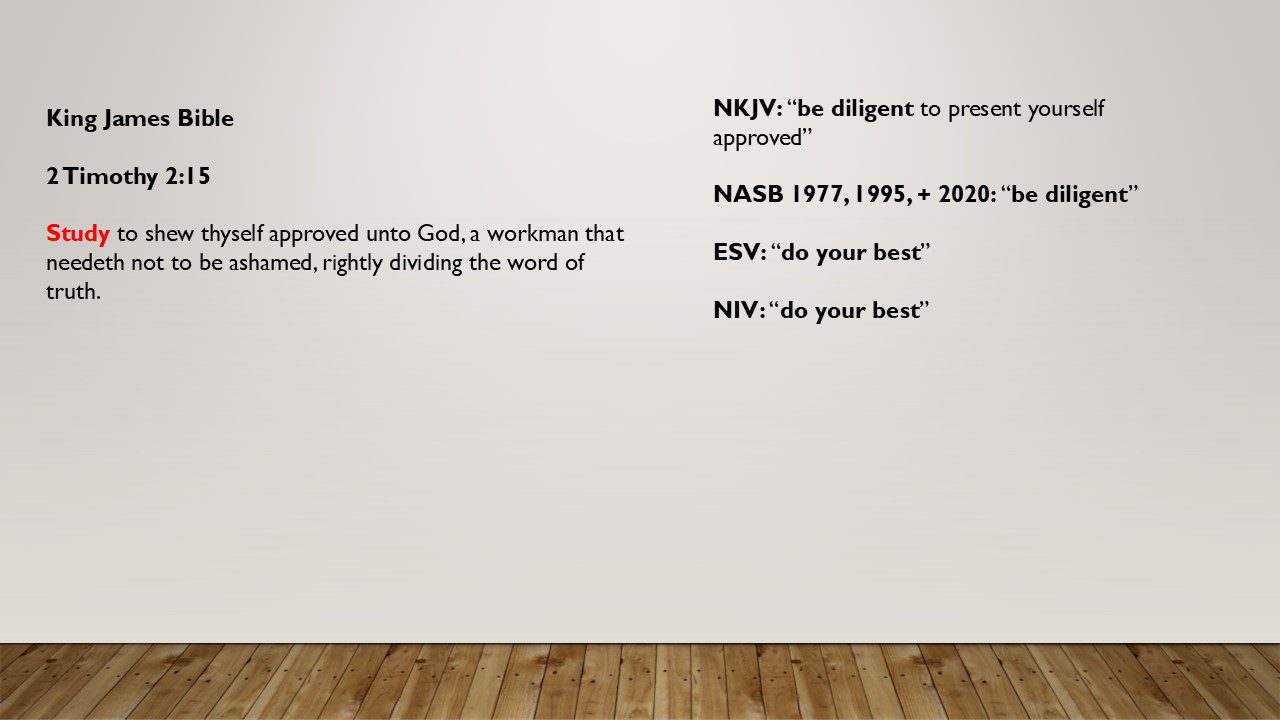
God’s Word was never meant to be diluted to match man’s (or child’s) limited understanding or modern convenience. It was given to elevate our hearts and minds to meet the holiness of its Author. Scripture is not a mirror of human culture—it is a mirror of God’s character. When we alter or simplify it to fit our preferences, we lose its transforming power. The Bible challenges us to grow, to study, and to seek wisdom diligently. As 2 Timothy 2:15 instructs, we are to study to shew ourselves approved unto God, rightly dividing the Word of truth. This means approaching Scripture with reverence, effort, and humility, allowing it to shape us rather than reshaping it to suit us. The call of God’s Word is upward—it demands spiritual maturity, discernment, and obedience. We do not lower the standard of Scripture; we raise our lives to align with it.

2 Timothy 2:15 Study to shew thyself approved unto God, a workman that needeth not to be ashamed, rightly dividing the word of truth.

Proverbs 2:3 Yea, if thou criest after knowledge, and liftest up thy voice for understanding;
4 If thou seekest her as silver, and searchest for her as for hid treasures;
5 Then shalt thou understand the fear of the LORD, and find the knowledge of God.
6 For the LORD giveth wisdom: out of his mouth cometh knowledge and understanding.

Joshua 1:8 This book of the law shall not depart out of thy mouth; but thou shalt meditate therein day and night, that thou mayest observe to do according to all that is written therein: for then thou shalt make thy way prosperous, and then thou shalt have good success.

Psalms 119:9 Wherewithal shall a young man cleanse his way? by taking heed thereto according to thy word.
10 With my whole heart have I sought thee: O let me not wander from thy commandments.
11 Thy word have I hid in mine heart, that I might not sin against thee.

Acts 17:11 These were more noble than those in Thessalonica, in that they received the word with all readiness of mind, and searched the scriptures daily, whether those things were so.

Hebrews 5:12 For when for the time ye ought to be teachers, ye have need that one teach you again which be the first principles of the oracles of God; and are become such as have need of milk, and not of strong meat.
13 For every one that useth milk is unskilful in the word of righteousness: for he is a babe.
14 But strong meat belongeth to them that are of full age, even those who by reason of use have their senses exercised to discern both good and evil.

Without Blemish

If God required every sacrifice to be without blemish to be accepted, then surely His Word, the spiritual offering that reveals His will, must meet the same divine standard. If we acknowledge that modern versions contain errors, omissions, or corruption, then by that very standard, how could a Holy God accept them? God has already shown, through history, tradition, conviction, and the fruit it bears, which Bible He has placed His approval upon. The King James Bible has stood unblemished for centuries—producing revival, repentance, and righteousness on a national and global scale. It is the only Bible in history to ignite such widespread awakening, proving by its fruit that God accepts it as the pure and perfect Word for English-speaking people.

Leviticus 22:21 And whosoever offereth a sacrifice of peace offerings unto the LORD to accomplish his vow, or a freewill offering in beeves or sheep, it shall be perfect to be accepted; there shall be no blemish therein.

Deuteronomy 17:1 Thou shalt not sacrifice unto the LORD thy God any bullock, or sheep, wherein is blemish, or any evilfavouredness: for that is an abomination unto the LORD thy God.

Exodus 12:5 Your lamb shall be without blemish, a male of the first year: ye shall take it out from the sheep, or from the goats:

Leviticus 1:3 If his offering be a burnt sacrifice of the herd, let him offer a male without blemish: he shall offer it of his own voluntary will at the door of the tabernacle of the congregation before the LORD.

1 Peter 1:18 Forasmuch as ye know that ye were not redeemed with corruptible things, as silver and gold, from your vain conversation received by tradition from your fathers;
19 But with the precious blood of Christ, as of a lamb without blemish and without spot:

Final Thoughts

So why do I believe the King James Bible is the Word of God?

  • Because God promised to preserve His Word.
  • Because God does not change.
  • Because His way is narrow and sure.
  • Because the KJV bears the fruit of truth and power.

I don’t need to bash your modern version, listen to yourself when you try to defend it. I don’t need to defend the King James Bible, I just need to believe it, learn from it as my final authority in all manners of faith and practice. In a world full of noise and opinions, I choose to stand on the unshakable foundation of God’s preserved Word—the King James Bible. It’s not about being old-fashioned. It’s about trusting a God who never lies, never changes, and never fails. Many modern translation proponents want to make this an argument, a point of contention; and for many, it sure can be.

When presented with the information in this article they even start name calling. However, if you are honest with yourself you just might come to the same conclusion as the points I’ve made. If not… Then I quote Dr. Gib Wood: “If you believe that the NIV or any other new bible is the pure, unchangeable word of God, own it! Don’t make excuses for it, make it a conviction in your life. But before you do, set your pride aside for just a few moments and listen to what us crazy King James Bible people are saying; you might find we’re not as crazy as all the internet theologians say we are.”

Isaiah 59:21 As for me, this is my covenant with them, saith the LORD; My spirit that is upon thee, and my words which I have put in thy mouth, shall not depart out of thy mouth, nor out of the mouth of thy seed, nor out of the mouth of thy seed’s seed, saith the LORD, from henceforth and for ever.

Psalm 119:90 Thy faithfulness is unto all generations: thou hast established the earth, and it abideth.
91 They continue this day according to thine ordinances: for all are thy servants.”

The same God who preserved the earth by His word has preserved His Word for the earth. From generation to generation, His truth endures, and those who build their faith upon it will never be moved.


The Bible: Society’s Missing Measurement of Truth

In construction and carpentry, no one guesses at what “level” means—tools like a level or a tape measure give a fixed standard. Without that standard, every cut, every line, and every joint drifts off course. The same is true for society. When the Bible is removed from schools, governments, and even churches, we lose our fixed point of reference. Truth becomes whatever voice shouts the loudest or makes the most persuasive argument. Scripture shows that God Himself is the standard of truth, and His Word is the reliable “measure” by which all things must be tested.

Let’s not let this become a “preaching to the choir” article. When we look at what society has become, this one truth (the original truth) is the compass, the ruler, the level, the flashlight, the map and any other analogy you can think of that helps us measure what is truth and what is not.  

God Is Truth

Truth does not begin with people; it originates in God’s very nature. Scripture declares, “He is the Rock, his work is perfect: for all his ways are judgment: a God of truth and without iniquity, just and right is he” (Deuteronomy 32:4, KJV). The psalmist affirms this: “Into thine hand I commit my spirit: thou hast redeemed me, O LORD God of truth” (Psalm 31:5, KJV). Isaiah echoes it, saying, “He who blesseth himself in the earth shall bless himself in the God of truth” (Isaiah 65:16, KJV). Jeremiah likewise proclaims, “But the LORD is the true God, he is the living God, and an everlasting king” (Jeremiah 10:10, KJV).

When society denies God’s truth, it elevates human opinion to the throne. Like a crooked ruler on a builder’s bench, everything measured by it will be off. Only by returning to God as the ultimate source of truth can any person, church, or culture stand straight and sure.

God’s Word Is Truth

If God Himself is truth, then His Word carries the same quality. Jesus prayed to the Father, “Sanctify them through thy truth: thy word is truth” (John 17:17, KJV). “Thy righteousness is an everlasting righteousness, and thy law is the truth” (Psalm 119:142, KJV). “Thy word is true from the beginning: and every one of thy righteous judgments endureth for ever” (Psalm 119:160, KJV). Proverbs reinforces this: “Every word of God is pure: he is a shield unto them that put their trust in him” (Proverbs 30:5, KJV). Jesus Himself said, “If ye continue in my word, then are ye my disciples indeed; And ye shall know the truth, and the truth shall make you free” (John 8:31-32, KJV).

A tape measure is valuable because every inch is fixed and unaltered. In the same way, Scripture gives a fixed standard for morality, justice, and purpose. Remove the Bible from public life and, like a builder discarding his tape, you guarantee chaos and inconsistency in every decision. This is why, whenever society declares a new “truth,” the first question we should ask is, “What does God say about it?”—not “What does a professor, movement, or social trend say?” Abortion, homosexuality, drinking alcohol, and countless other practices are often promoted as “the normal progress of civilization,” but when measured against God’s Word, their true moral character becomes clear. Returning to this question—“What does God say?”—would eliminate much of the hate and confusion that swirl around these debates, because we would all be measuring from the same divine standard.

Jesus, as God, Is Truth

Truth is not only a principle but a Person. Jesus Christ declared, “I am the way, the truth, and the life: no man cometh unto the Father, but by me” (John 14:6, KJV). John tells us, “And the Word was made flesh, and dwelt among us… full of grace and truth” (John 1:14, KJV). “For the law was given by Moses, but grace and truth came by Jesus Christ” (John 1:17, KJV). Before Pilate He said, “To this end was I born, and for this cause came I into the world, that I should bear witness unto the truth” (John 18:37, KJV). And the risen Christ is described as “he that is holy, he that is true” (Revelation 3:7, KJV).

When society tries to replace Christ with trends, celebrities, or political power, it’s like replacing a level with a rough plank—there is no guarantee of straightness. Jesus alone provides the unbending line against which our lives and cultures must align.

None of These Can Lie

Scripture underscores that God’s truthfulness is absolute. “God is not a man, that he should lie; neither the son of man, that he should repent” (Numbers 23:19, KJV). “By two immutable things, in which it was impossible for God to lie” (Hebrews 6:18, KJV). “And also the Strength of Israel will not lie nor repent: for he is not a man, that he should repent” (1 Samuel 15:29, KJV). Paul adds, “Yea, let God be true, but every man a liar” (Romans 3:4, KJV). John writes, “And we know that the Son of God is come, and hath given us an understanding, that we may know him that is true” (1 John 5:20, KJV). This divine inability to lie is our assurance that the standard never moves.

Contrast this with a world where the “truth” is redefined with every election, every trending hashtag, or every new ideology. Without God and His Word, society ends up like a house built without a square—crooked, unstable, and destined to fail.

Measuring Our Lives by God’s Standard

A level or tape measure is only useful if you actually use it. Knowing about it but ignoring it still leads to a crooked wall. In the same way, we must not only acknowledge that the Bible is true but actively measure our lives, policies, and decisions against it. “Thy word is a lamp unto my feet, and a light unto my path” (Psalm 119:105, KJV).

When schools teach ethics without Scripture, when governments legislate without divine principles, and when churches preach self-help instead of God’s Word, the “measurement” of truth disappears. We end up ruled by whoever is most persuasive, loudest, or powerful—not by what is actually right.

The call today is to return to the fixed standard: God Himself, His Word, and His Son. Just as a builder stops to check the level before driving the next nail, individuals and societies must stop to check their direction by the Bible. Without it, every plan will be off, no matter how sincerely we work.

The Footnote of Context

For many years, society has sought shortcuts to enlightenment. People pull Bible verses out of context to support an argument or justify their position. When the King James Bible doesn’t fit the narrative, they change the Bible. Sadly, Christians can be no different—using Scripture out of context to defend worldly habits they’re unwilling to surrender, such as drinking alcohol.

Fast forward to today’s culture. Social media reduces information to soundbites and talking points. We form opinions from 30-second clips or single-line statements rather than understanding the full scope of an issue. To make matters worse, we rely on “news” outlets that refine these out-of-context snippets into a narrative.

When we do this, we set ourselves up as our own gods. Pastor James Coffman once said, “Every lie must contain an element of the truth to be believed.” News reports, YouTube, and social media are full of fragments of truth that are repurposed into stories. Then we ban or bury the real truth behind the narrative.

If we are to regain moral authority, we must listen to the entirety of a matter and use the Bible as our final authority — our filter through which all matters should be judged.

Romans 1:20 For the invisible things of him from the creation of the world are clearly seen, being understood by the things that are made, even his eternal power and Godhead; so that they are without excuse:

21 Because that, when they knew God, they glorified him not as God, neither were thankful; but became vain in their imaginations, and their foolish heart was darkened.

22 Professing themselves to be wise, they became fools,

23 And changed the glory of the uncorruptible God into an image made like to corruptible man, and to birds, and fourfooted beasts, and creeping things.

24 Wherefore God also gave them up to uncleanness through the lusts of their own hearts, to dishonour their own bodies between themselves:

25 Who changed the truth of God into a lie, and worshipped and served the creature more than the Creator, who is blessed for ever. Amen.

Conclusion

God is truth. God’s Word is truth. Jesus Christ, as God, is truth. None of these can lie. Together, they form the one reliable “measurement” for life and society. A tape measure doesn’t bend to our feelings, and neither does truth. If we desire a straight, strong, and lasting foundation for our homes, our laws, our education, and our churches, we must again pick up the divine “level”—the Bible—and align everything to it.

Only then will society stop drifting under the sway of the loudest voice and return to the unshakable standard of the One who cannot lie.

Supporting Verses:

Psalm 31:5
“Into thine hand I commit my spirit: thou hast redeemed me, O LORD God of truth.”

Isaiah 65:16
“That he who blesseth himself in the earth shall bless himself in the God of truth; and he that sweareth in the earth shall swear by the God of truth; because the former troubles are forgotten, and because they are hid from mine eyes.”

Jeremiah 10:10
“But the LORD is the true God, he is the living God, and an everlasting king: at his wrath the earth shall tremble, and the nations shall not be able to abide his indignation.”

Psalm 119:142
“Thy righteousness is an everlasting righteousness, and thy law is the truth.”

Psalm 119:160
“Thy word is true from the beginning: and every one of thy righteous judgments endureth for ever.”

Proverbs 30:5
“Every word of God is pure: he is a shield unto them that put their trust in him.”

John 8:31-32
“Then said Jesus to those Jews which believed on him, If ye continue in my word, then are ye my disciples indeed; And ye shall know the truth, and the truth shall make you free.”

John 1:14
“And the Word was made flesh, and dwelt among us, (and we beheld his glory, the glory as of the only begotten of the Father,) full of grace and truth.”

John 1:17
“For the law was given by Moses, but grace and truth came by Jesus Christ.”

John 18:37
“Pilate therefore said unto him, Art thou a king then? Jesus answered, Thou sayest that I am a king. To this end was I born, and for this cause came I into the world, that I should bear witness unto the truth. Every one that is of the truth heareth my voice.”

Revelation 3:7
“And to the angel of the church in Philadelphia write; These things saith he that is holy, he that is true, he that hath the key of David, he that openeth, and no man shutteth; and shutteth, and no man openeth.”

Hebrews 6:18
“That by two immutable things, in which it was impossible for God to lie, we might have a strong consolation, who have fled for refuge to lay hold upon the hope set before us.”

1 Samuel 15:29
“And also the Strength of Israel will not lie nor repent: for he is not a man, that he should repent.”

Romans 3:4
“God forbid: yea, let God be true, but every man a liar; as it is written, That thou mightest be justified in thy sayings, and mightest overcome when thou art judged.”

1 John 5:20
“And we know that the Son of God is come, and hath given us an understanding, that we may know him that is true, and we are in him that is true, even in his Son Jesus Christ. This is the true God, and eternal life.”

Love in Action – John 3:16

Love is a word that has no meaning without action

John 3:16 

The Statement: For God so loved the world,

The Action: that he gave his only begotten Son,

The Return: that whosoever believeth in him should not perish, but have everlasting life.

Example of Love in action

John 21:15 So when they had dined, Jesus saith to Simon Peter, Simon, son of Jonas, lovest thou me more than these? He saith unto him, Yea, Lord; thou knowest that I love thee. He saith unto him, Feed my lambs.

16 He saith to him again the second time, Simon, son of Jonas, lovest thou me? He saith unto him, Yea, Lord; thou knowest that I love thee. He saith unto him, Feed my sheep.

17 He saith unto him the third time, Simon, son of Jonas, lovest thou me? Peter was grieved because he said unto him the third time, Lovest thou me? And he said unto him, Lord, thou knowest all things; thou knowest that I love thee. Jesus saith unto him, Feed my sheep.

  • The action was to serve the Lord. Otherwise, the words had no meaning.

In this account Peter is challenged to a comparison… lovest thou me more than these?

Who loves:

  • Sports… lovest thou me more than these?
  • Music… lovest thou me more than these?
  • Food… lovest thou me more than these?
  • .. lovest thou me more than these?
  • Sleeping… lovest thou me more than these?
  • TV… lovest thou me more than these?
  • Phone… lovest thou me more than these?
  • Pet… lovest thou me more than these?
  • Family… lovest thou me more than these?

So many say they love the Lord, but their actions show otherwise. When you say you Love the Lord… does your Love have any action behind it?

God’s Love Toward Us

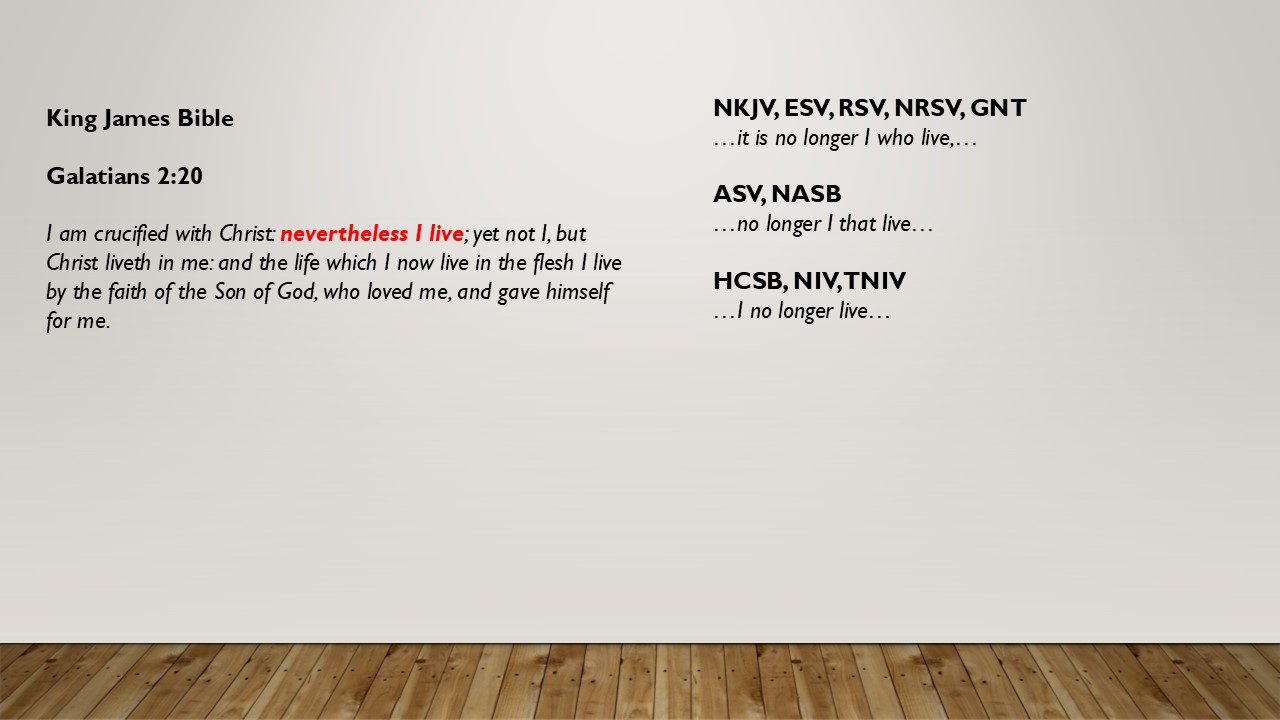
Galatians 2:20 I am crucified with Christ: nevertheless I live; yet not I, but Christ liveth in me: and the life which I now live in the flesh I live by the faith of the Son of God, who loved me, and gave himself for me.

1 John 4:7 Beloved, let us love one another: for love is of God; and every one that loveth is born of God, and knoweth God.

8 He that loveth not knoweth not God; for God is love.

9 In this was manifested the love of God toward us, because that God sent his only begotten Son into the world, that we might live through him.

10 Herein is love, not that we loved God, but that he loved us, and sent his Son to be the propitiation for our sins.

11 Beloved, if God so loved us, we ought also to love one another.

12 No man hath seen God at any time. If we love one another, God dwelleth in us, and his love is perfected in us.

13 Hereby know we that we dwell in him, and he in us, because he hath given us of his Spirit.

14 And we have seen and do testify that the Father sent the Son to be the Saviour of the world.

Romans 5:8  But God commendeth his love toward us, in that, while we were yet sinners, Christ died for us.


Obedience

1 Peter 2:3 If so be ye have tasted that the Lord is gracious.

4 To whom coming, as unto a living stone, disallowed indeed of men, but chosen of God, and precious,

5 Ye also, as lively stones, are built up a spiritual house, an holy priesthood, to offer up spiritual sacrifices, acceptable to God by Jesus Christ.

6 Wherefore also it is contained in the scripture, Behold, I lay in Sion a chief corner stone, elect, precious: and he that believeth on him shall not be confounded.

7 Unto you therefore which believe he is precious: but unto them which be disobedient, the stone which the builders disallowed, the same is made the head of the corner,

8 And a stone of stumbling, and a rock of offence, even to them which stumble at the word, being disobedient: whereunto also they were appointed.

9 But ye are a chosen generation, a royal priesthood, an holy nation, a peculiar people; that ye should shew forth the praises of him who hath called you out of darkness into his marvellous light:

This message, clearly to those who are saved or are Christians; we explore a major doctrine that has been discarded as much in Church as in society.

Practical Exercise

(In a Sunday School setting, have the students complete a task. One that takes them uncomfortably out of their norm. Do this without a reason, the only requirement is to obey. Example: if room, move them from one side of the room to another. Another might be to stack the chairs, then set them back up. Something that some might do without consideration, others murmuring and complaining)

Obedience is greater than sacrifice (and becomes our sacrifice)

1 Samuel 15:22 And Samuel said, Hath the LORD as great delight in burnt offerings and sacrifices, as in obeying the voice of the LORD? Behold, to obey is better than sacrifice, and to hearken than the fat of rams.

23 For rebellion is as the sin of witchcraft, and stubbornness is as iniquity and idolatry. Because thou hast rejected the word of the LORD, he hath also rejected thee from being king.

Obedience as a doctrine today has been replaced with a list that we check off. In one of the many promotions that the Church I attend sponsors, qualifications are to come to church, boys must wear a dress shirt, tie, bring their Bible and memorize a verse. Girls do the same except wear a modest dress. Yet the day the promotion is over, we are back to the same way it was before.

The motivation of obedience was not what would please the Lord, but rather what is the minimum needed to gain something. A simple look across nearly any teen service today would reveal this mindset. I don’t want to pick on clothing except through how one dresses at Church often defines the spirit of an individual, even to a point of rebellion (the opposite of obedience).

As our opening text, Christians are supposed to be set apart and obedient to the things of God. More so than the following of a checklist.. it’s a motivation of the heart.

Do You Love God?

John 14:15 If ye love me, keep my commandments.

Christianity today has redefined a Christian on their terms, not God’s. We love God when it’s convenient, or fits in our schedule, or doesn’t change our style. Frankly we want all the benefits of being a Christian without any of the sacrifices…

NOTHING is further than that of obedience.

Think of it in 2 terms:

  • To obey: A physical reaction to an acceptable command… One we choose to obey. A Checklist to complete.
  • Obedience: Removing any desire we have, any preconceived notion, any motive of self… where the only desire is to follow those that have been appointed or directly what God directs.

If we truly love God it will show in our actions. This mindset of obedience goes well beyond following rules, but taking on each task as if Jesus Christ himself was standing next to us.

NOTE: The day I presented this message at teen Sunday school, there we 2 teen girls, dressed in worldly attire who went outside after the bus dropped them off. Set up their phone and recorded some twirking style dance… DIRECTLY under the church sign. No conviction. No humility. No respect. No obedience to the standards God has set in HIS house.

1 Corinthians 6:19 What? know ye not that your body is the temple of the Holy Ghost which is in you, which ye have of God, and ye are not your own?

20 For ye are bought with a price: therefore glorify God in your body, and in your spirit, which are God’s.

(This is where the opening physical exercise comes into play)

In our exercise of moving over chairs your body may have obeyed, but for some your heart rebelled. Some even murmured and complained, mocked and rebelled. I wonder if coming to church is done in the same breath… Just the physical action to obey… but no heart, no desire to actually be in God’s house for God’s purpose.

Salvation is an act of Obedience

God has always made a path to get to Him… through obedience.

  • Don’t eat of the fruit (Adam)
  • Get on the boat (Noah)
  • Take up your family and move (Abraham)
  • Follow the Law (Moses)
  • Jesus said “I am the way”

God did all the preparation, created the path… be we need to choose to obey. Where obedience is so important… is that GOD sets the way, not us. We always want to make our own way… change the words of God to justify it… rather than simply obeying God.

John 14:6  Jesus saith unto him, I am the way, the truth, and the life: no man cometh unto the Father, but by me.

John 10:1 Verily, verily, I say unto you, He that entereth not by the door into the sheepfold, but climbeth up some other way, the same is a thief and a robber.

Jesus is our Example

We would do good to recognize the choice that Christ made in the area of obedience. Even if we look at this from a Parent to a Child and an example that is set. That moves further to that of a servant and a master, we need to know what true obedience is; where we set aside self and only seek to obey.

Hebrews 5:8 Though he were a Son, yet learned he obedience by the things which he suffered;

9 And being made perfect, he became the author of eternal salvation unto all them that obey him;

We Choose to Serve, Choose Wisely

I have, over the years, found those who say that they serve noone are the ones that are under the greatest servitude; and don’t even realize it. Servant to self, servant to vanity, servant to society, servant to a career, servant to a marriage, servant to drugs, servant to alcohol… you get the picture. They fold their arms in rebellion not realizing they are choosing to serve, just not the things of God. 

Joshua 24:14 Now therefore fear the LORD, and serve him in sincerity and in truth: and put away the gods which your fathers served on the other side of the flood, and in Egypt; and serve ye the LORD.

15 And if it seem evil unto you to serve the LORD, choose you this day whom ye will serve; whether the gods which your fathers served that were on the other side of the flood, or the gods of the Amorites, in whose land ye dwell: but as for me and my house, we will serve the LORD.

Romans 6:16 Know ye not, that to whom ye yield yourselves servants to obey, his servants ye are to whom ye obey; whether of sin unto death, or of obedience unto righteousness?

17 But God be thanked, that ye were the servants of sin, but ye have obeyed from the heart that form of doctrine which was delivered you.

18 Being then made free from sin, ye became the servants of righteousness.

The Importance of Submission to Leadership

While there is much more that can be said about obedience and even leadership, it is important to realize that obedience isnt an action as much as a condition of the heart. I mean there are many who are in a position of authority, but that authority is useless if God’s people won’t submit to the people He placed into leadership. I have heard some say at the foot of the alter, I only serve God, I will not serve a man; not having a clue how God has ordained the chain of command. God has placed a structure, to provide His people with something and someone to obey… not some mystical thought of obedience but rather a heart motivated action of God’s ordinances… through a man of God placed in leadership. As such we need to submit ourselves, and it’s not easy; the root of rebellion runs deep, but this is how God ordained it to be.

Hebrews 13:15 By him therefore let us offer the sacrifice of praise to God continually, that is, the fruit of our lips giving thanks to his name.

16 But to do good and to communicate forget not: for with such sacrifices God is well pleased.

17 Obey them that have the rule over you, and submit yourselves: for they watch for your souls, as they that must give account, that they may do it with joy, and not with grief: for that is unprofitable for you.

Children Obey Your Parents – (a Progression of Responsibility)

Ephesians 6:1 Children, obey your parents in the Lord: for this is right.

2 Honour thy father and mother; (which is the first commandment with promise;)

The Bible is filled with instructions… but more importantly instructions for every level.

If you look at the passage as a whole, this isn’t a verse to place children under the burden of obedience, but rather a path to follow.

Fathers, Servants and Masters

Ephesians 6:4 And, ye fathers, provoke not your children to wrath: but bring them up in the nurture and admonition of the Lord.

5 Servants, be obedient to them that are your masters according to the flesh, with fear and trembling, in singleness of your heart, as unto Christ;

6 Not with eyeservice, as menpleasers; but as the servants of Christ, doing the will of God from the heart;

7 With good will doing service, as to the Lord, and not to men:

8 Knowing that whatsoever good thing any man doeth, the same shall he receive of the Lord, whether he be bond or free.

9 And, ye masters, do the same things unto them, forbearing threatening: knowing that your Master also is in heaven; neither is there respect of persons with him.

If you are going to be a good parent, you will learn through examples as a child, to be a good parent. As you get older you will be under the authority of  master (employer) And hopefully you will use the knowledge of obedience to be a good servant.  A good master, if taking all that you learned so that you can be a good master. (employer or manager). All these you learn as a child.

As a child you will see examples of good and bad parents, servants and masters… these examples will help shape you as you grow and fulfil these roles.

The Motivation

A child, a Father, a Servant and a Master should execute the duties of their position, not to get a pat on the back, but rather because we are serving a higher authority.

Colossians 3:17 And whatsoever ye do in word or deed, do all in the name of the Lord Jesus, giving thanks to God and the Father by him.

At times rebellion comes into play. It is important that in order for the chain of command and progression of learning to work we must PLACE ourselves under the authority placed above us. 

Hebrews 13:17 Obey them that have the rule over you, and submit yourselves: for they watch for your souls, as they that must give account, that they may do it with joy, and not with grief: for that is unprofitable for you.

Example:

As a child, I was under very specific rules. I grew up in a military home, learning the military way. I learned about a work ethic, responsibility, testimony, dignity and honor. These guidelines helped me to become a better servant.

As a servant I was able to place into practice the things I learned as a child. To obey those masters placed above me and to exceed expectations. This work ethic allowed me to stand out from my peers and see promotions and opportunities that others didn’t receive, often because they weren’t raised the same way I was. By learning to be a good servant I was able to understand what it meant to be a better master.

As someone who has led those in the military as a NCO, as a manager, as a Pastor; as well as one who has also been an employer, I have sought to be a master worthy of someone to follow. I never wanted to be someone who was just the boss because he was bossy. Every instruction or direction was to prepare others to be a good master. These are things I learned from a child from an example set by my father… every direction was designed to train. This prepared me to be a father.

From a child I learned these things, I have seen examples of both a servant and master by watching my parents. My parents worked for others… So I got to see what it meant to be a good servant. My dad was also an NCO, a leader of men into battle… I was able to see what a good leader was to be as well.

Words of a Fool

1 Timothy 5:13  And withal they learn to be idle, wandering about from house to house; and not only idle, but tattlers also and busybodies, speaking things which they ought not.

  • We live in a time… that seeks to distract us from the things that God would have us work on. Including the one we need to with on the most; ourselves.
  • We look at things in the media, entertainment and music that seeks to fill our minds with everything but…
  • In fact, the argument of the day, the buzz word if you will, is in social media; what is fake news or who is telling the truth.

How do we discern the truth? How do we decide who is telling the truth? If we are to believe that God is truth, maybe we look at what God has to say about this matter.

Deuteronomy 32:4 He is the Rock, his work is perfect: for all his ways are judgment: a God of truth and without iniquity, just and right is he.

A Note: In order to discern a matter, you should have at least a foundation in the subject matter. When it comes to that of the scriptures, having a fundamental understanding of the pillars of the faith will be necessary to keep from being deceived or mislead.

2 Timothy 2:15 Study to shew thyself approved unto God, a workman that needeth not to be ashamed, rightly dividing the word of truth.

Discerning the Truth

Let them talk

Often the truth is suppressed because it is contrary to the belief of the hearer or what is popular. I am not a proponent of silencing an opposing view, unless that view has already been disproved. Oftentimes the truth can be more easily discerned when you let them talk. If you let them go just a little bit… you’ll hear what you need to discern the truth:

Ecclesiastes 5:3 For a dream cometh through the multitude of business; and a fool’s voice is known by multitude of words.

Once you have heard what they are saying, you can use your spiritual discernment to mark them. Ask questions like, what is their motive, what is their premise, what are their facts, where did you get this information? We must have a firm foundation in the word of God in order to have the discernment to know the truth.

Romans 16:17 Now I beseech you, brethren, mark them which cause divisions and offences contrary to the doctrine which ye have learned; and avoid them.

Once you have identified these people, avoid them. By that same note, mark those who are telling the truth as well.

1 Thessalonians 5:21 Prove all things; hold fast that which is good.

Use caution for those who are all the time talking…

Proverbs 17:27 He that hath knowledge spareth his words: and a man of understanding is of an excellent spirit.

28 Even a fool, when he holdeth his peace, is counted wise: and he that shutteth his lips is esteemed a man of understanding.

Proverbs 29:20  Seest thou a man that is hasty in his words? there is more hope of a fool than of him.

Ecclesiastes 10:14  A fool also is full of words: a man cannot tell what shall be; and what shall be after him, who can tell him?

Minding your own business (read your own mail)

1 Thessalonians 4:11  And that ye study to be quiet, and to do your own business, and to work with your own hands, as we commanded you;

Proverbs 15:1  A soft answer turneth away wrath: but grievous words stir up anger.

Stop crying and complaining about things you can’t change.

Psalms 131:1 LORD, my heart is not haughty, nor mine eyes lofty: neither do I exercise myself in great matters, or in things too high for me.

2 Surely I have behaved and quieted myself, as a child that is weaned of his mother: my soul is even as a weaned child.

Ecclesiastes 9:17  The words of wise men are heard in quiet more than the cry of him that ruleth among fools.

1 Timothy 2:2 For kings, and for all that are in authority; that we may lead a quiet and peaceable life in all godliness and honesty.

3 For this is good and acceptable in the sight of God our Saviour;

2 Thessalonians 3:11 For we hear that there are some which walk among you disorderly, working not at all, but are busybodies.

12 Now them that are such we command and exhort by our Lord Jesus Christ, that with quietness they work, and eat their own bread.

People sometimes are more attracted to the sensational rather than the truth of God

1 Kings 19:11 And he said, Go forth, and stand upon the mount before the LORD. And, behold, the LORD passed by, and a great and strong wind rent the mountains, and brake in pieces the rocks before the LORD; but the LORD was not in the wind: and after the wind an earthquake; but the LORD was not in the earthquake:

12 And after the earthquake a fire; but the LORD was not in the fire: and after the fire a still small voice.

Churches today are looking for God in the wind and the earthquake… loud and sensational. They are drawn to the music, the lights.. the show! Yet all along God wasn’t in the wind, wasn’t in the earthquake… wasn’t in the show… but He was speaking, just in a still small voice.

When seeking the truth often we need to turn off the TV, turn off the internet, turn off the social media, turn off YouTube and all these sources that flood the mind with information. Find a quiet spot and turn on God and listen to that still small voice where the source of truth and discernment have been all along.

I will seek thy good

Psalms 122:1 I was glad when they said unto me, Let us go into the house of the LORD.

Why Do People Go To Church?

In David’s gladness there was a desire to go to the House of God. In today’s Churches people are going to for perhaps, the wrong reasons. Some might argue that just having someone go to Church is a good thing but, if the result is bitterness; what did it accomplish? In my ministry I have seen people come to Church out of guilt, to socialize, legacy obligation, being forced (parents with the bus ministry) and even to commit mischief.

Part of the Church should be to become a place that people desire to come to. This “testimony” will assist those who to anticipate the house of God, rather than endure it.

Psalms 122:2 Our feet shall stand within thy gates, O Jerusalem.

3 Jerusalem is builded as a city that is compact together:

4 Whither the tribes go up, the tribes of the LORD, unto the testimony of Israel, to give thanks unto the name of the LORD.

5 For there are set thrones of judgment, the thrones of the house of David.

6 Pray for the peace of Jerusalem: they shall prosper that love thee.

7 Peace be within thy walls, and prosperity within thy palaces.

8 For my brethren and companions’ sakes, I will now say, Peace be within thee.

9 Because of the house of the LORD our God I will seek thy good.

What you learn in Church should change how you look at the world

Those who are saved and desire to be about God’s business, should be able to say that the Church participated; in changing our outlook of the things of the world.

John 4:35 Say not ye, There are yet four months, and then cometh harvest? behold, I say unto you, Lift up your eyes, and look on the fields; for they are white already to harvest.

When we look at those outside the Church building, what do we see? Does what you hear and experience in Church change how we perceive the things of the world?

Romans 12:2 And be not conformed to this world: but be ye transformed by the renewing of your mind, that ye may prove what is that good, and acceptable, and perfect, will of God.

1 Corinthians 1:21 For after that in the wisdom of God the world by wisdom knew not God, it pleased God by the foolishness of preaching to save them that believe.

You should come to Church expecting to hear something

Churches today have so lowered the expectation of Church attendance, that they come only out of habit or obligation. Are we excited to be amongst God’s people, in God’s House, hearing the Man of God presenting the Word of God?

Ecclesiastes 5:1 Keep thy foot when thou goest to the house of God, and be more ready to hear, than to give the sacrifice of fools: for they consider not that they do evil.

People that come, just to come; find themselves bringing the mischief of the world into the walls of the very House of God. Just a glance across the crowd at those on social media, playing video games or other activities to “pass the time” till they dismiss; is opposite to being glad to be at the House of God!

How to behave

One teaching lost on today’s Churches is how to behave in God’s House. I am seeing more and more people in their 20’s and 30’s who have never been to a Sunday School class, been to a Church camp or even been in a Church building short of getting married. As a result they have never learned how to behave in God’s house. This creates an atmosphere of disorder and distraction that hinders the presentation of God’s message.

1 Timothy 3:15 But if I tarry long, that thou mayest know how thou oughtest to behave thyself in the house of God, which is the church of the living God, the pillar and ground of the truth.

I find it interesting for those who say you shouldn’t have rules or order in the Church, because it would cause people not to come; still go to a library, courthouse or funeral home. Don’t those have an order, a rule or a manner to operate? Interesting we try to lower the standards for the one place that should have the HIGHEST of standards.

Church should not only change our perception of the world, but our perception of ourselves.

1 Peter 4:17 For the time is come that judgment must begin at the house of God: and if it first begin at us, what shall the end be of them that obey not the gospel of God?

Should not God’s House have a higher standard… that the world?

Ephesians 5:25b… even as Christ also loved the church, and gave himself for it;

26 That he might sanctify and cleanse it with the washing of water by the word,

27 That he might present it to himself a glorious church, not having spot, or wrinkle, or any such thing; but that it should be holy and without blemish.

Are you glad you are here?

Psalms 122:1 I was glad when they said unto me, Let us go into the house of the LORD.

Does the Church shape the way that we see the world? Do we have more compassion? Do we desire the things of God beyond the walls of the Church?

9 Because of the house of the LORD our God I will seek thy good.

We take the House of God with us…

1 Corinthians 3:16 Know ye not that ye are the temple of God, and that the Spirit of God dwelleth in you?


Sins Christians try so hard to justify

So the question is simply this: what is your final authority? Many look to so many things of the world to shape their opinions: TV, Radio, Sports figures, Hollywood, even friends. However, these sources are not designed to edify and educate the believers of Christ, the Bible is. As you will see in the topics covered, society definitely has a contradicting if not differing opinions on these topics; the biggest issue is that too many Christians listen to the sources of the world over the words of God.

This article will deal with some worldly practices such as tattoos, piercing and other practices that are more and more becoming accepted by “Christians” and even encouraged to participate in … FROM THE PULPIT. As this is a current practice we should examine what the Bible has to say about it rather than any opinion.

Ye are not your own…

1 Corinthians 6:19 What? know ye not that your body is the temple of the Holy Ghost which is in you, which ye have of God, and ye are not your own?

20 For ye are bought with a price: therefore glorify God in your body, and in your spirit, which are God’s.

Romans 12:2  And be not conformed to this world: but be ye transformed by the renewing of your mind, that ye may prove what is that good, and acceptable, and perfect, will of God.

Biblical separation is a fundamental and paramount teaching in the Word of God. If we are saved, we are new creatures, bought with a price; as such we should live as such. The “choices” we make about what we do with our bodies should be made with the understanding that the rightful owner, might want a say in it!

2 Corinthians 5:17  Therefore if any man be in Christ, he is a new creature: old things are passed away; behold, all things are become new.

Consider the mindset that your neighbor comes to your home, grabs the keys of your brand new car and takes it for a spin. Furthermore however, he takes it to a bodyshop and has it painted, has holes drilled in the trunk and installs a huge spoiler, swaps for 20 inch rims and tires, changed the suspension and lowered it 2 inches; then brings the car back to you. In this effort he paid thousands of dollars using top quality parts and materials; the best technicians and top paid professionals specializing in performance cars…

Despite all the reasons and the excuses that can be made to justify this neighbor’s generosity, the issue was simply this: it wasn’t his to do this to.

We are noting that those claiming to be Christians are doing the same. They may use the best artists in the industry, done with the safest of practices to paint, pierce and modify their bodies; however the conclusion is still the same… it’s not theirs to do so with. We have been bought with a price, we no more have the right to alter our bodies as Christians, as that neighbor did; no matter the motivation or good intention. I have spoken with many who will “justify” a tattoo because they places one of their children’s names, mother’s name or even the name of Jesus. When God speaks to these things (see below) He didn’t give a list of what is acceptable to mark on your body or what is acceptable to pierce your body with; in fact the opposite is true.

1 Corinthians 9:13 Do ye not know that they which minister about holy things live of the things of the temple? and they which wait at the altar are partakers with the altar?

14 Even so hath the Lord ordained that they which preach the gospel should live of the gospel.

If Christians in the service of God could wrap their heads around this we might cast aside the ridiculous reasoning that we give to justify our sins… Simply put: practice what we preach.

I have in my ministry always used this conclusory thought, if you truly want to know what is perceived as sin don’t ask a Christian… as a lost man. Ask someone who has lost it all from sin if what you want to do that is commonplace for the world to do, is right for a Christian to do…

Note: Trying to justify your sin by finding verses brought out of context to justify a sin or trying to explain it away, does not change the Word of God or God’s position on the matter. If we truly compare our actions and motives with the mindset, “would Jesus do that”… it might change what we do.

Colossians 3:17 And whatsoever ye do in word or deed, do all in the name of the Lord Jesus, giving thanks to God and the Father by him.

Tattoos, Printing, Cutting and Piercings

This has become such a hotbed topic over recent years becoming more and more popular both with the world and those professing to be Christians. This, like so many other things it seems; if you add the word “Christian” in front of it… that somehow makes it right. However, the Word of God is very clear on this topic.

Leviticus 19:28  Ye shall not make any cuttings in your flesh for the dead, nor print any marks upon you: I am the LORD.

If I heard this one, I’ve heard it a dozen times: saying “that’s Old Testament” or “we’re not under the law but grace”. Again, trying to explain away the Word of God to justify sin, in my opinion; is just as much sin as the sin itself. When you look at those things that came from Moses law verses God’s law you will see that quite simply, if God thought it was important then, why wouldn’t it be important now? Furthermore the statements in the scripture that are specifically accredited to the Lord.. such as: “I am the Lord” or “and the Lord God said”… these are items that have consistency in the scriptures except for those rare instances that God dispensationally ends it. The cuttings in your flesh and markings on your body.. have never been rescinded by God.

I might make note that we should abstain from all appearance of evil, such as temporary tattoos, or even taking an ink pen and writing on your flesh. While some might dismiss this as innocent, these are things a Christian should not do; or allow their children to do. 

Cutting of the Flesh

Leviticus 21:5  They shall not make baldness upon their head, neither shall they shave off the corner of their beard, nor make any cuttings in their flesh.

Deuteronomy 14:1  Ye are the children of the LORD your God: ye shall not cut yourselves, nor make any baldness between your eyes for the dead.

The cutting of the flesh has ALWAYS been associated with a satanic mindset and influence. Emotional instability has found the mutilation of the body as a characteristic that medical professionals and counselors are trained to look for. Additionally branding, burning and cutting of the lips, nose, ears, breasts, face, neck, vaginal tissue and piercing of the same has been observed in African, Asian, Hawaiian and other tribal customs, including tattoos and the stain or markings of the flesh. Those considered to be the most “Godless” or heathen, as the Bible calls them; for years has practiced this mutilation of the body in an attempt to appease a false god.

This fact alone confounds me the most. Why don’t Christians know this and reject it? Because the world has become louder than the preachers and teachers of God’s Word. So afraid to “offend”. I recall Dr. Phil Kidd once said “your churches, Pastors; will be filled with those things you don’t preach about.”

1 Kings 18:28  And they cried aloud, and cut themselves after their manner with knives and lancets, till the blood gushed out upon them.

This account in context brings about an account of Elijah had seen Israel begin to follow the satanic prophets of Baal and cast away the things of God… in direct rebellion. Elijah challenged the prophets of Baal to bring down fire from Heaven to consume the sacrifice. As the account goes, the prophets called and called their false god… and nothing happens; then verse 28. Cutting of the flesh is always part of a satanic influence of the mutilation of the body. This includes piercings, branding and tattoos.

Earrings

Another societal practice is that of piecing of the ears. So many use this “acceptable” piercing as a platform to justify piercings in other parts of the body. However, the only time that this practice is identified is for an indentured servant.

Deuteronomy 15:17  Then thou shalt take an aul, and thrust it through his ear unto the door, and he shall be thy servant for ever. And also unto thy maidservant thou shalt do likewise.

Purity of the Body

These are those as mentioned that are quick to explain away verses saying that they are “old testament” or “ those are under the law, we are under grace”. It is important to note that the major difference of the Law verses Grace is where it is written down.

Hebrews 10:16  This is the covenant that I will make with them after those days, saith the Lord, I will put my laws into their hearts, and in their minds will I write them;

If it was something that was important to God then, it should be important now. Furthermore, there are those things that God provided in the form of a command for specific people, for a specific time, for a specific reason; God is just as specific to identify them.

The following verses here are in the New Testament and by examination of the fundamental purpose, say or echo the same as the old testament referenced without having be a command or “a law”.

Romans 12:1 I beseech you therefore, brethren, by the mercies of God, that ye present your bodies a living sacrifice, holy, acceptable unto God, which is your reasonable service.

2 And be not conformed to this world: but be ye transformed by the renewing of your mind, that ye may prove what is that good, and acceptable, and perfect, will of God.

1 Thessalonians 5:22 Abstain from all appearance of evil.

23 And the very God of peace sanctify you wholly; and I pray God your whole spirit and soul and body be preserved blameless unto the coming of our Lord Jesus Christ.

Note this observation: When you first start driving you learn that there is a speed limit and taught to obey it. However the experienced driver knows “why” those signs and laws are important. Same as the old testament and the new. Under the new covenant God wants us to have an understanding of why those things are important.

1 Corinthians 6:19 What? know ye not that your body is the temple of the Holy Ghost which is in you, which ye have of God, and ye are not your own?

20 For ye are bought with a price: therefore glorify God in your body, and in your spirit, which are God’s.

This verse is so important and so very much ignored in the modern church. Would you think it a crime if someone took your new car and repainted it? Drilled holes in it? Scratched it, marred it, dented it, burnt it? I would dare say that most people would say that they did not have the right to do those things… because they did not own it; you did.

How much more do we, that are Christians; feel that we have the right to damage something that God owns?

Romans 6:12 Let not sin therefore reign in your mortal body, that ye should obey it in the lusts thereof.

13 Neither yield ye your members as instruments of unrighteousness unto sin: but yield yourselves unto God, as those that are alive from the dead, and your members as instruments of righteousness unto God.

So often the modern Church is been so fooled and misled. Literally yielding themselves as instruments of unrighteousness being control by the hand of the world. Is it any wonder that the lost world look at Christians as a joke, hypocrites; by not practicing that which we preach. We slap the term “Christian” in front of a sinful act and it somehow makes it spiritual. You might feel good that you were able to find a verse or mindset that somehow you feel exonerates or justifies your sin, but that lost man looks at what you have to offer; and is left wanting.

Drinking Alcohol

The consumption of alcohol, the lifestyle that surrounds it and the draw that it has on Christians is certainly nothing new. Christians puff out with the “Jesus drank wine” claim as justification of drinking, or even the “all things done in moderation” to even a practical excuse of social drinking.

Proverbs 20:1  Wine is a mocker, strong drink is raging: and whosoever is deceived thereby is not wise.

Deception is the way of satan, not God. If God so plainly identifies the facts that a fermented alcoholic beverage that is called wine, is not something that God’s people should drink; why is it that those who seek to be called Christians work so hard to justify drinking it?

Isaiah 5:11  Woe unto them that rise up early in the morning, that they may follow strong drink; that continue until night, till wine inflame them!

Leviticus 10:9 Do not drink wine nor strong drink, thou, nor thy sons with thee, when ye go into the tabernacle of the congregation, lest ye die: it shall be a statute for ever throughout your generations:

10 And that ye may put difference between holy and unholy, and between unclean and clean;

Allow me to pause here on verse 10. There is or SHOULD BE a clear difference between hooly and unholy, clean and unclean. There should never be a question from the lost world that God is clean and Holy and His children are clean and holy! When we were lost we knew drinking, smoking, tattoos, piercings, cuttings and branding were wrong; yet when we get saved we want to bring those things into our life and body?

Jesus Drank Wine

Lets tackle this with Bible.

Luke 1:15  For he shall be great in the sight of the Lord, and shall drink neither wine nor strong drink; and he shall be filled with the Holy Ghost, even from his mother’s womb.

John Chapter 2 gives an account where Jesus turned water into wine.. however:

John 2:9  When the ruler of the feast had tasted the water that was made wine, and knew not whence it was: (but the servants which drew the water knew;) the governor of the feast called the bridegroom,

It does NOT say that Jesus drank wine.

Matthew 11:18 For John came neither eating nor drinking, and they say, He hath a devil.

19 The Son of man came eating and drinking, and they say, Behold a man gluttonous, and a winebibber, a friend of publicans and sinners. But wisdom is justified of her children.

Note: “but wisdom is justified of her children”, the context of this statement is a contrast to the statement of rather the false accusation that was made; simply… God’s people know better.

I can elaborate more to deal with “new wine vs fermented wine” but I will say it like this: God’s people should know better. There should be things of the world we stay away from, that we avoid for testimony’s sake if nothing else. But because there are those that like to run to verses to justify their action, lets deal with this one too:

1 Timothy 5:23  Drink no longer water, but use a little wine for thy stomach’s sake and thine often infirmities.

It is no secret that alcohol, taken properly, can be used in the production of; and use as a medicinal remedy. However, as a medicine is not the gateway or excuse to have a glass of wine with dinner at your favorite restaurant.

Is your testimony something that is important to you? Is your “liberty” more precious to you that a soul saved?

Galatians 5:13  For, brethren, ye have been called unto liberty; only use not liberty for an occasion to the flesh, but by love serve one another.

Galatians 5:16 This I say then, Walk in the Spirit, and ye shall not fulfil the lust of the flesh.

17 For the flesh lusteth against the Spirit, and the Spirit against the flesh: and these are contrary the one to the other: so that ye cannot do the things that ye would.

Corrupt Communication

Ephesians 4:29  Let no corrupt communication proceed out of your mouth, but that which is good to the use of edifying, that it may minister grace unto the hearers.

One of the traps that Christians often fall into is the language of the world. Now too often this is identified as “cussing” but it goes so much further. What we say and how we say it can build up and tear down. It it the most direct way for us to identify ourselves as Christians, but also the fastest way to destroy that testimony.

Romans 12:2  And be not conformed to this world: but be ye transformed by the renewing of your mind, that ye may prove what is that good, and acceptable, and perfect, will of God.

Psalms 39:1a  I said, I will take heed to my ways, that I sin not with my tongue:…

Proverbs 21:23  Whoso keepeth his mouth and his tongue keepeth his soul from troubles.

Psalms 34:13  Keep thy tongue from evil, and thy lips from speaking guile.

Colossians 3:8  But now ye also put off all these; anger, wrath, malice, blasphemy, filthy communication out of your mouth.

Take a close look at Peter outside the hall where Jesus was on trial, 3 times Peter was challenged and 3 times he denied however; note what it took to get the people to believe that he was NOT with Jesus:

Mark 14:70 And he denied it again. And a little after, they that stood by said again to Peter, Surely thou art one of them: for thou art a Galilaean, and thy speech agreeth thereto.
71 But he began to curse and to swear, saying, I know not this man of whom ye speak.

Social Media

So you might wonder how social media made it on the list of worldly sins. This is perhaps a topic that is not clearly understood in the relationship of tattoos, piercings, cuttings, alcoholism, homosexuality and corrupt communication. In today’s method of media this has been used as the medium that satan has used to change the messaging using short simplistic messages that removes the need or desire for thinking for ones self.

1 Corinthians 15:33 Be not deceived: evil communications corrupt good manners.

We are exposing ourselves to evil communications that cause us to think, hear and see things differently.

We are being bombarded by false information, misinformation, half truths and outright lies. The trouble is compounded when we see that this is all is being passed as normal.

We turn on the TV, Netflix, Hulu, Amazon, Facebook, Instagram, twitter, snapchat and more and we are exposing our minds to corrupt communication that we, turn around and tell each other; without even thinking about what we are saying.

HOW ARE WE to have a heart and mind prepared to receive God’s message if seconds before you open your bible (if you brought one) you were on Tik Toc watching corrupt communication, fornication, profanity, vanity, covetous, boasters, proud, blasphemers, those that are disobedient to parents, unthankful, unholy, without natural affection, trucebreakers, false accusers, fierce, despisers of those that are good, traitors, highminded and lovers of pleasures more than lovers of God? ALL OF THIS AND MORE IS WHAT SOCIAL MEDIA USES TO SUCCEED… and is directly identified in the scriptures. (2 Timothy 3) This medium can change the environment and method whereby we process information. This causes even Christians to corrupt good manners, corrupt and twist God’s law into suggestions.

Homosexuality

There is much that can be said about the sin of homosexuality. I must note, this is NOT a variant of God; this is a sin that society has embraced and seeks to justify. God has been CLEAR in this matter from the very beginning throughout to the end and there is no variableness.

James 1:17  Every good gift and every perfect gift is from above, and cometh down from the Father of lights, with whom is no variableness, neither shadow of turning.

Hebrews 13:8  Jesus Christ the same yesterday, and to day, and for ever.

Romans 1:21 Because that, when they knew God, they glorified him not as God, neither were thankful; but became vain in their imaginations, and their foolish heart was darkened.
22 Professing themselves to be wise, they became fools,
23 And changed the glory of the uncorruptible God into an image made like to corruptible man, and to birds, and fourfooted beasts, and creeping things.

It is important to look at the point that homosexuality is not the beginning of sin but a product of it. Romans chapter 1 as well as the preceding verses are clear that this sin is a result or eventuality of the depravity of sin:

  1. Vain in imagination
  2. Foolish heart was darkened
  3. professing themselves to be wise
  4. Changed image of God into animal
  5. God gave them up to uncleaness
  6. Dishonor their own bodies (tattoos and piercings, self mutilation)

THEN #7… God gave them into Vile Affections…

The rest is what is left after someone takes sin that far!

It is a clinical fact that those interviewed in rehab facilities that a large majority of those who came out as homosexual reported they were sexually assaulted as a child. Furthermore are those children who were introduced to sin early through movies and media including pornography. Additionally children in single parent homes where clear and identifiable roles were established.

There is no path identified where God should bow down or change to societal wills. The sin of homosexuality is a gateway for the world to push gender neutrality, transgenderism, pedophilia, bestiality and any other whim of the flesh to be validated and legislated. Now we see it being allowed in the Church and pushed by nearly all religions. In fact it is the ultimate corruption of the Word of God that brings together all the major sins identified in this article. 

Romans 1:20 For the invisible things of him from the creation of the world are clearly seen, being understood by the things that are made, even his eternal power and Godhead; so that they are without excuse:

21 Because that, when they knew God, they glorified him not as God, neither were thankful; but became vain in their imaginations, and their foolish heart was darkened.

22 Professing themselves to be wise, they became fools,

23 And changed the glory of the uncorruptible God into an image made like to corruptible man, and to birds, and fourfooted beasts, and creeping things.

24 Wherefore God also gave them up to uncleanness through the lusts of their own hearts, to dishonour their own bodies between themselves:

26 For this cause God gave them up unto vile affections: for even their women did change the natural use into that which is against nature:

27 And likewise also the men, leaving the natural use of the woman, burned in their lust one toward another; men with men working that which is unseemly, and receiving in themselves that recompence of their error which was meet.

28 And even as they did not like to retain God in their knowledge, God gave them over to a reprobate mind, to do those things which are not convenient;

29 Being filled with all unrighteousness, fornication, wickedness, covetousness, maliciousness; full of envy, murder, debate, deceit, malignity; whisperers,

30 Backbiters, haters of God, despiteful, proud, boasters, inventors of evil things, disobedient to parents,

31 Without understanding, covenantbreakers, without natural affection, implacable, unmerciful:

32 Who knowing the judgment of God, that they which commit such things are worthy of death, not only do the same, but have pleasure in them that do them.

Leviticus 18:22  Thou shalt not lie with mankind, as with womankind: it is abomination.

Leviticus 20:13  If a man also lie with mankind, as he lieth with a woman, both of them have committed an abomination: they shall surely be put to death; their blood shall be upon them.

Deuteronomy 22:5  The woman shall not wear that which pertaineth unto a man, neither shall a man put on a woman’s garment: for all that do so are abomination unto the LORD thy God.