
 I recall sitting with my Father and listening to him tell a story and ask him how I might be a good storyteller, he replied; all you need to do is place yourself in the story, then tell others what you see. As a youth I used this storyteller mindset in my school papers writing in such a way that allowed my teachers to participate with me in the story. I found that when I added the three S’s that it added substance to my stories. Those three S’s are Sight, Sound and Smell.
This inside out viewpoint was the method I used as I began in areas of ministry. I tried to stand on the boat next to the sailors looking at Jonah, I was sitting on a bale of hay when David was in the lion’s den, I was the standing in the corner of the pool when the Jesus made the lame to walk; then I wrote what I saw, heard and smelled. My goal was to have people experience the scriptures with me.
Character Study
Part of having someone experience the scriptures, either in written or speech format, you will benefit from studying the people that make up the story or account. The more you know about them, the more you can better relate to them.
Character method of Bible study is simply: putting yourself in their shoes. By looking at the different people in the Bible, their reactions, successes, and failures; you can truly get into the heart of the passage. There is 2 main ways to use the character study:
- The Personage: looking at the character specifically by name, their history, position, responsibility, ect.
- The Nature: looking at the nature, attitude, personality, character attributes.
It might not even be the major characters as you might need to see it from a different perspective to truly experience it. My favorite example is the sailors on the ship in the account of Jonah. Looking at what is going on from their perspective allows you to see that decisions have consequences… all decisions. These sailors lost nearly everything, all because of the transgress of one.
Set the Scene
 Before jumping into the moral of the story, set the scene, and let people look around with you. Was it hot or cold? Rain or sunny? Day or night? Was it loud with the crowd shouting or whispers of murmuring? Did it smell like flowers on a spring day or the smell of pigs in the trough. How were they dressed? You see the more info you can provide to set the scene, the better your audience will be able to relate to it.
4D Experience
When you can bring in a physical element or demonstration you can tap into the other senses to establish a lasting memory or impression. Some of my more powerful sermons and presentations was where I was able to take a verbal description and add physical elements to it. I once preached the account of Jonah with the light off and the Sanctuary lit by lanterns. I had the sound system playing storm sounds and creaking of the ship, a strobe for lightening, rotten fish smell blown from a fan… then I walked up and down the isles with a spray bottle of water. Eleven people were saved that night in that little church. By placing them in the sermon through a physical setting it takes the message to a whole new level where they can set aside misconceptions to see and feel the experience of the scriptures.
An additional sermon example was to have children’s church separated into groups with each group having a responsibility. The sermon was the disciples in the storm, a row of kids lined up as the disciples rowing, another group with metal chairs was the thunder and another was the sounds of the waves and water.
Other examples might include images, measuring tape to show scale, science experiments and other visual props to provide an audio/visual experience that will allow the mind to recall the sermon more clearly because they feel like they were “involved” in it.
Not Causing a Distraction.
It is important to note that a physical demonstration, activity, or description can cause more of a distraction than adding charcter to the sermon. I must insist this mindset through experience that it must be Lord led, and well thought out and even rehearsed before you present it to God’s people. Sometimes I had what “I” thought was a great idea, but in practice or application; it created more of a distraction where people were more interested in the experience, they did not hear the message. It should also be done occasionally, so that it is something special, not normal. By having a balance that God can use for His glory, this method can see greater fruit in your ministry.
 Experiencing the Scriptures in your Own Life
The Bible is written in such a way that it helps set the scene so that you can better understand and experience it. However, you must read it as such. To read the Bible just to read it you lose the message that the Lord wants you to understand. Slowing down and looking at the scriptures with empathy will help you understand how the man that fell among the thieves felt laying in the ditch, stripped of his clothes and left half dead. How you might feel with your outstretched hand as those who could help walked by; and the last person you’d ever want to help picked you up and took care of you.
Even the Book of Revelation is written from the point of view of a man placed in heaven, and simply described what he saw and wrote it down.
Like my Father said… place yourself in the story, then look around and tell others what you see. The mind’s eye can be used by the Holy Spirit to allow you to see, hear and smell details that will help you understand the scriptures better.

 Do you Know What’s in Inventory?

 Proverbs 4:1 Hear, ye children, the instruction of a father, and attend to know understanding.
 There is a movement that has been taking place since the 80’s that has been allowed to propagate by Christians. This movement of “passiveness” has become a major doctrinal departure from the scriptures, yet is supported and promoted by the majority of Modern Christianity.
 In the ‘60’s, a TV show set out to provide a mindset of exploration and adventure being pitched as “the wagon train to the stars”. Gene Roddenberry sought to provide a glimpse of society from the viewscreen of a starship. In this show called Star Trek, he identified issues of the day and attempted to provide a solution that a utopian mindset might solve.
 Boldly speak the truth
 As homes and apartments continue to be built for our ever-growing population, the challenge of space management seems to take center stage. These homes and apartments get smaller and smaller leaving people with the question “Where do I put all my stuff?”
 One of the things that we teach our kids when talk about home organization, cleaning or clutter removal is to adopt the mindset of “clean as you go”. This practice goes a long way to help keep your home clean and clutter free. If you clean up when you get done… You don’t to clean it up later. Which brings us to the next point:
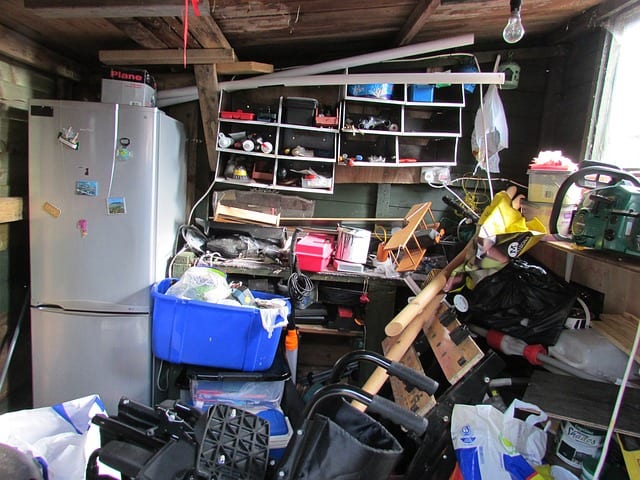 The more I visit homes to work with parents and children; the more I realize that the art of cleaning seems to have skipped a generation (or 2). I speak to many well intentioned people that never really learned how to clean or organize their home. Regardless of the reasons, I know there are a number of things that can get in the way of keeping your home in showroom fashion. However, the largest one, is often the easiest one; time.
 The No Shoe Rule
 Nothing like finishing up a hard days’ work to come home to the kids rooms all a mess. However, with every situation is a teaching opportunity. It’s amazing how many thinks that just because they are the “Pastor’s Kids” that they are going to keep their room better than any other child. In this article we will look at some useful tips to help keep your kids room organized and clean. (or at least try)
 Storage, Storage, Storage
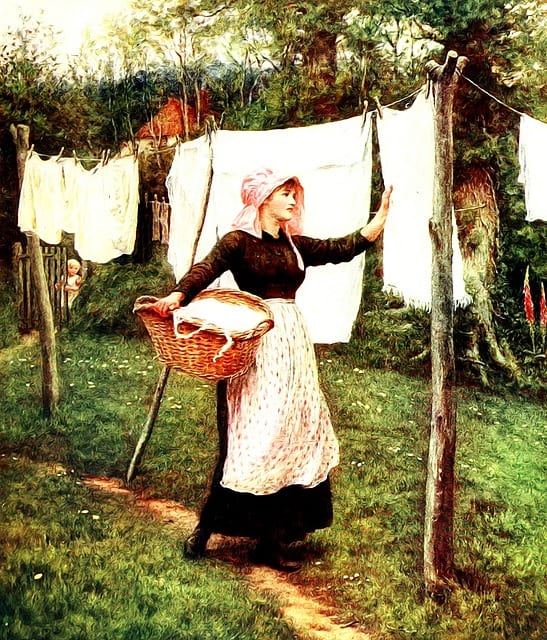 It’s no secret in this day and time that young people today lack many of the “work hard” traits that we reflect on as a core principle. Finding a young person that exhibits a work ethic is literally a diamond in the rough. As a business owner and parent; I would like to take this article to reflect on some core values and more specifically: the importance of chores.
 A Real World Example